

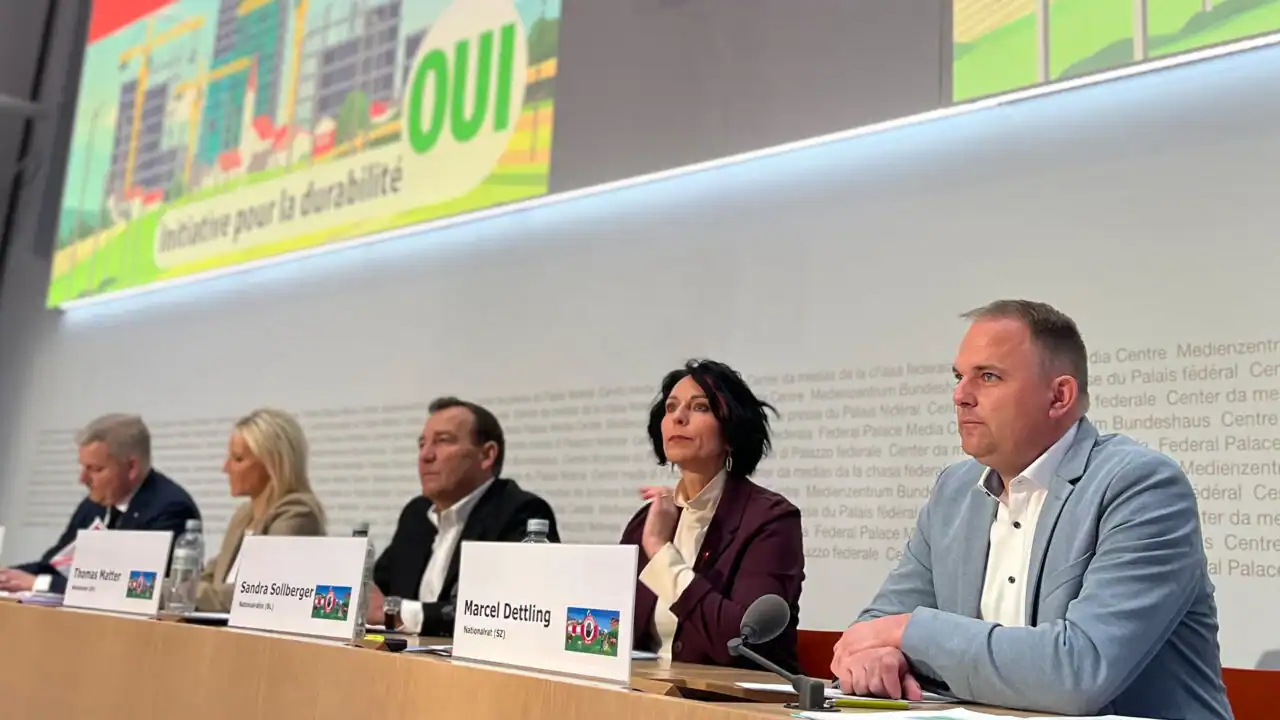


Six months after a decisive “yes” at the ballot box, the government has clarified how it will implement reforms to the taxation of residential property. It has consulted the Conference of Cantonal Finance Directors and concluded that cantons need adequate time to prepare for the transition.
Mountain cantons had pushed for a later start, arguing that abolition should not take effect before 2030. To offset lost revenue, tourism-heavy cantons will be allowed to levy a tax on second homes. Yet these cantons now say such a tax is more complex—legally and politically—than suggested during the referendum campaign.
In principle, the Federal Council says, abolition could have taken effect as early as 2028, but that a January 1st 2029 start should give cantons enough time to adjust at both cantonal and municipal levels. Some, cantons including Bern, Uri, Valais and Graubünden, are considering a tax on second homes, in some cases leaving the decision to municipalities. Others are less keen. Luzern’s government, for instance, does not plan to compensate municipalities for lost revenue and deems a special levy on second homes disproportionate.
In addition, most tax deductions will disappear. From January 1st 2029, imputed rental income and deductions for maintenance costs will be abolished for federal, cantonal and municipal taxes. Such deductions will remain only for rented property. And, interest on debt associated with home ownership will be deductible solely on rented properties. First-time buyers will receive a temporary, capped deduction on mortgage interest.
Deductions for energy-saving and environmental measures will also be removed from the federal direct tax. Cantons may retain them, but only for a limited period.
More on this:
Federal Council press release (in French) – Take a 5 minute French test now
For more stories like this on Switzerland follow us on Facebook and Twitter.