



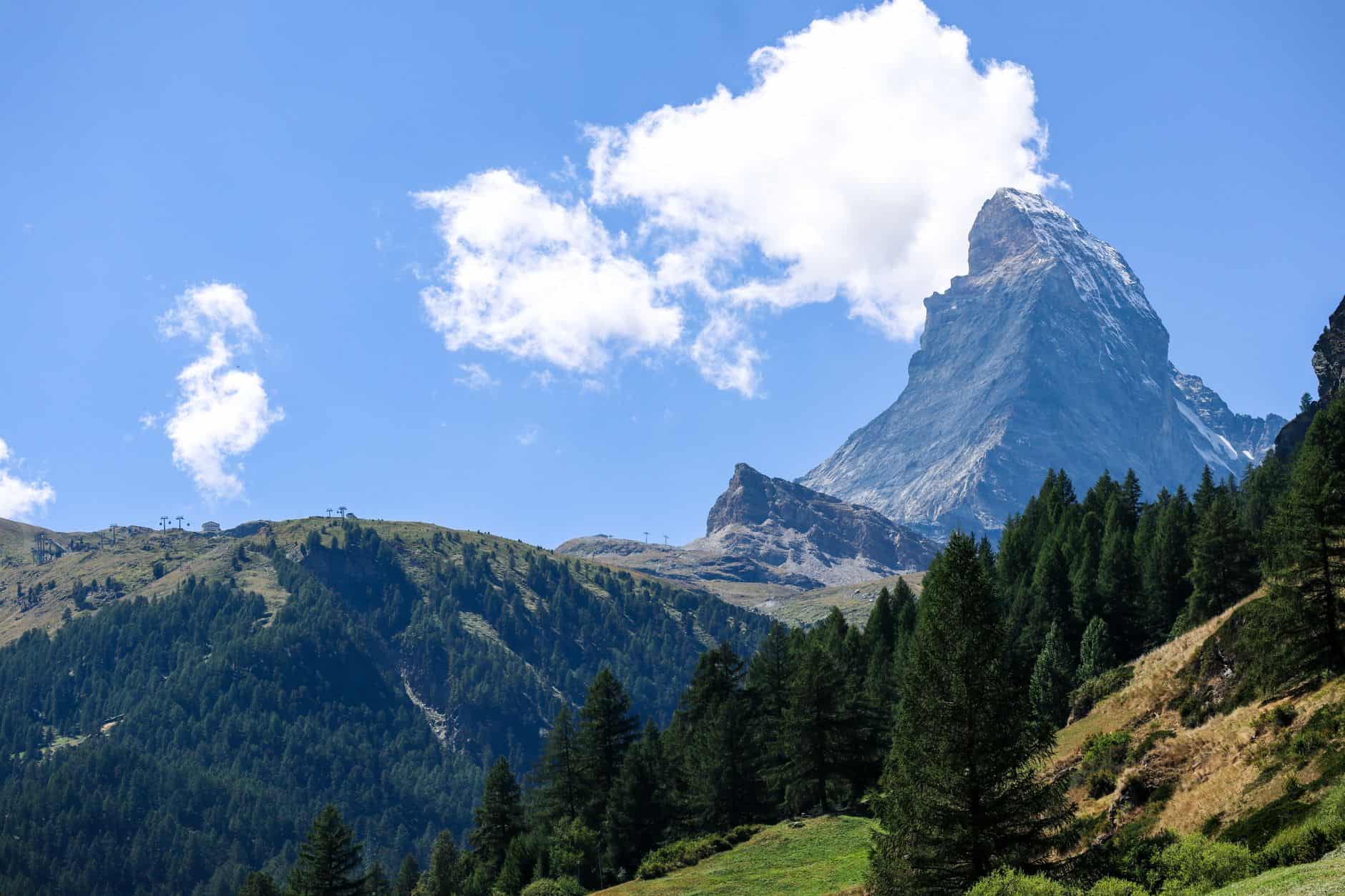
The Matterhorn has always been dangerous. Intense prolonged heat and the sort of people climbing it have made it more so, according to SRF. Guides on the Swiss side of the peak are avoiding some routes they now consider too dangerous. The risks are growing across the Alps. Guides in Chamonix have stopped taking people up Mont Blanc after two people died on the mountain on Wednesday according to u-trail.
Mountain guides in Zermatt are advising climbers to postpone attempts on the summit because of an increased risk of rockfall. High temperatures and scant snow have left parts of the mountain dry and unstable. Climate change is making the Alps less forgiving. Thawing permafrost and prolonged heat are weakening rock faces across the range.
But local experts insist that many of the rocks are not simply tumbling down of their own accord. Many are being dislodged by climbers. Inexperienced parties often stray from the established line on the Hörnli Ridge, the normal route to the summit. Poor rope handling can drag loose stones from ledges and send them bouncing down crowded gullies. On a mountain where several groups may be moving above one another, a small mistake can have grave consequences for those below.
Edith Lehner, the warden of the Hörnli hut at the foot of the Matterhorn, is blunt. We don’t have spontaneous rockfalls here, she told SRF. These are man-made rockfalls. The distinction matters. Warmer conditions may weaken the mountain, but climbers often provide the final push.
The problem is aggravated by the Matterhorn’s fame. More people are attempting the climb for photographs, online attention and the prestige of reaching one of the world’s most recognisable summits. Some arrive without experience, preparation or the judgment that the route demands. The mountain is increasingly attracting tourists who want to impress their social media followers rather than partake in a mountaineering experience.
Social media has given recklessness a larger audience. Climbs are compressed into photographs and short videos, while mountaineering experience, preparation and safety are ignored. The result is a distorted idea of what success and safety in the mountains look like.
For more stories like this on Switzerland follow us on Facebook and X.


