



Political polarisation has become a hallmark of many democracies, as parties harden their positions and voters sort into rival camps. Switzerland, long regarded as a model of consensus politics, has not escaped the trend. Signs of strain have been visible since the 1990s.
One way to gauge polarisation is to examine how consistently voters vote with their party. In Switzerland that cohesion is most pronounced at the ideological fringes. Data from Smartmonitor, a parliamentary tracking platform, show that members of the Socialist Party (SP/PS) were the most aligned in 2025: 97.2% of their votes followed the party line, after 98.1% in both 2023 and 2024. Close behind were the Green Party (96.6%), the Green Liberal Party (96%) and the Swiss People’s Party (SVP/UDC) at 94.4%. By contrast, The Liberals (PLR/FDP) recorded the lowest level of conformity, at 85%, with The Centre only slightly higher at 86.2%.
High conformity is often read as a sign of ideological commitment; low conformity suggests room for compromise. By that measure, Switzerland’s more centrist parties appear the least dogmatic.
The data also contain a counterintuitive insight: parties at opposite ends of the spectrum share certain structural traits. While the SP and the SVP/UDC differ profoundly in outlook, neither is instinctively laissez-faire. The SP champions redistribution and public services. The SVP, despite its market rhetoric, defends generous farm subsidies, pension guarantees and protections for domestic producers. Both champion redistribution and a substantial role for the state, albeit for different purposes.
Both are also highly cohesive organisations. Parliamentary data consistently show that their members adhere closely to party positions, more so than those of many centrist rivals. That discipline sharpens ideological contrasts, but it is common to both camps.
Each party also claims to speak for ordinary people. The SVP/UDC frames itself as a bulwark against immigration, Brussels and urban elites; the SP casts itself as defender of workers, tenants and lower-income households.
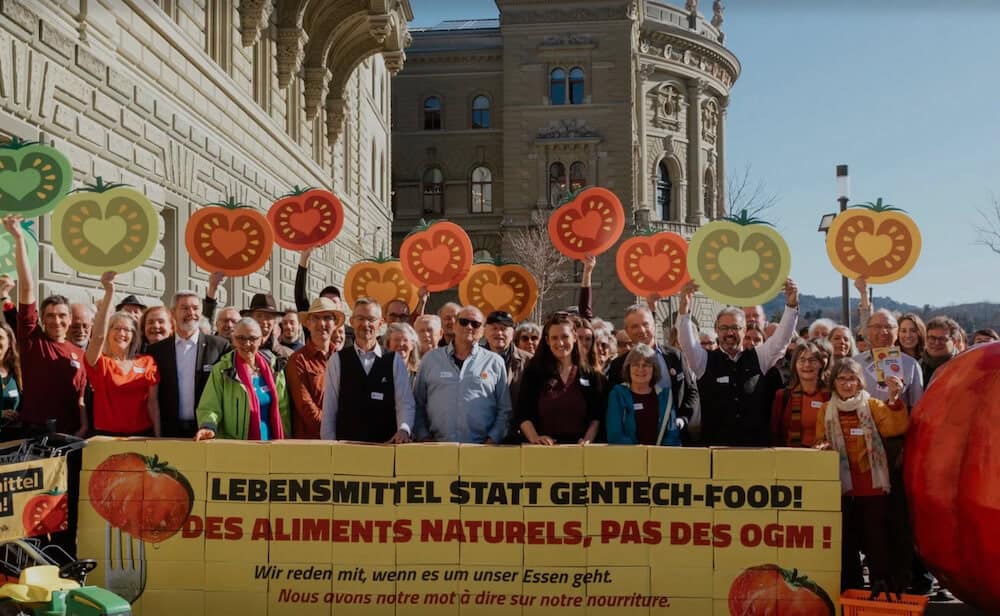
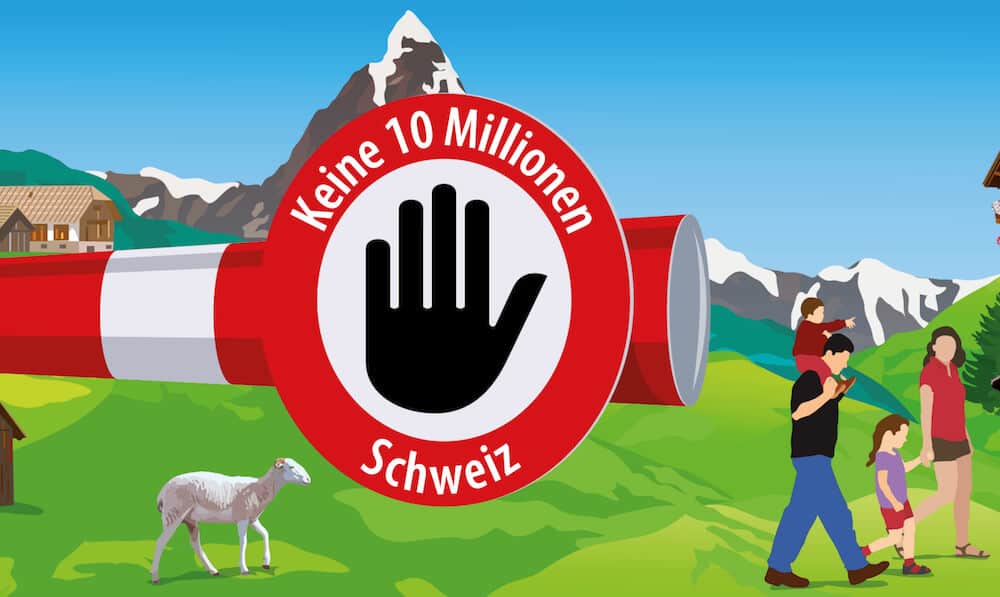
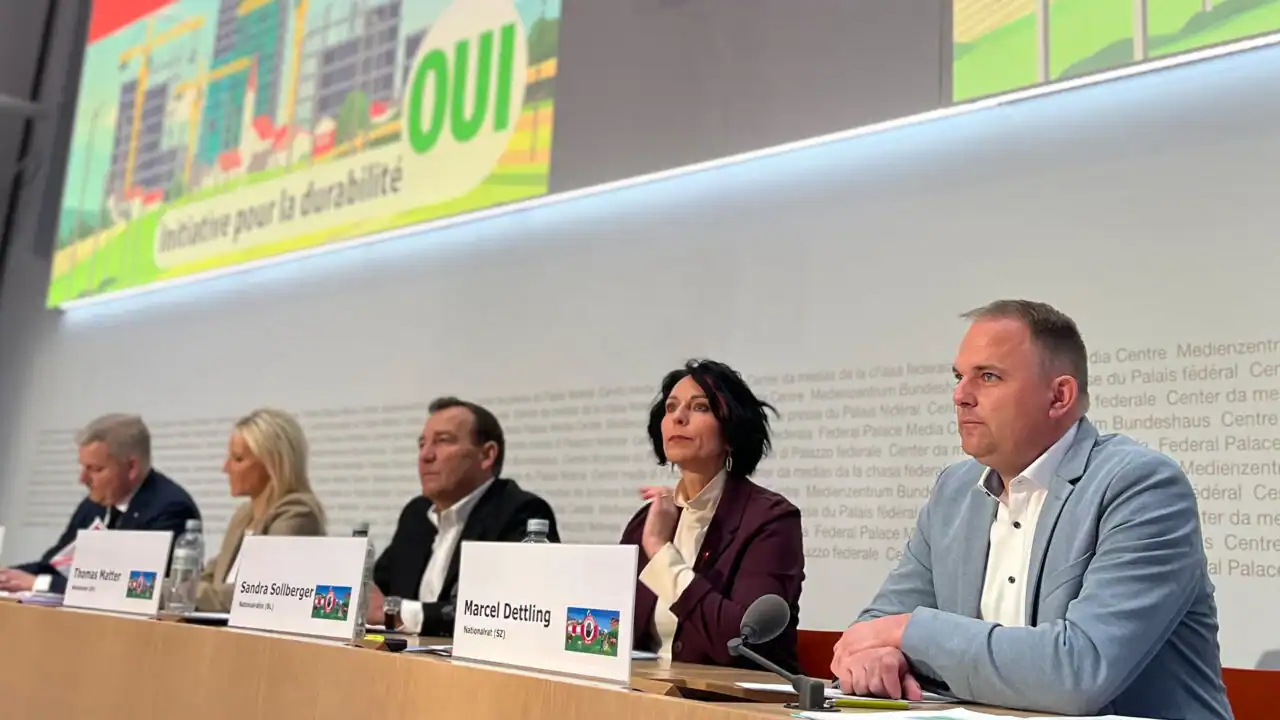
Both make energetic use of Switzerland’s instruments of direct democracy to press their case. The SVP/UDC has done so in initiatives to curb immigration; the SP recently backed a successful proposal to pay a 13th monthly state pension, despite the system approaching a demographic tipping point.
Despite their rivalry, both sit in the Federal Council under Switzerland’s power-sharing magic formula. Institutional constraints oblige them to govern together. Research suggests that polarisation has increased only modestly in recent years, even if some lawmakers complain that compromise has grown harder.
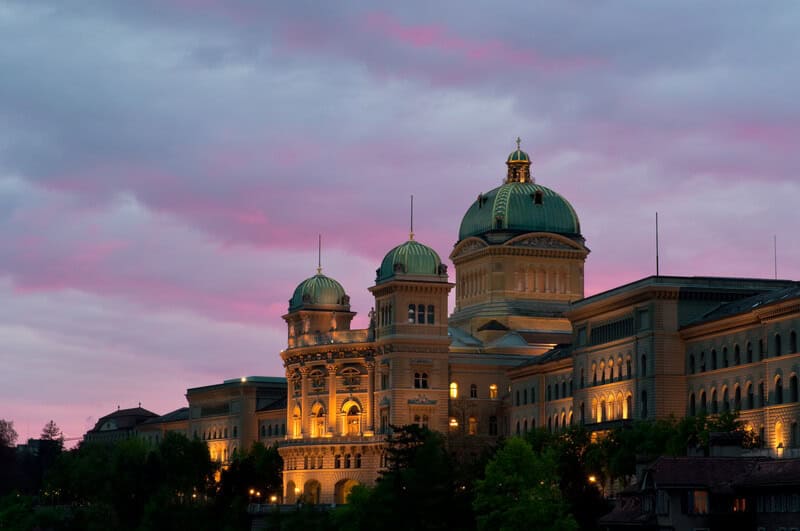
Switzerland’s political architecture still tempers division. Its two equally powerful parliamentary chambers, its system of referendums and initiatives, and its protections for minorities all encourage coalition-building. Even minor bills usually require cross-party alliances. Relations under the dome of the Federal Palace remain broadly cordial, lawmakers say, whatever the tone on social media.
Political polarisation has become a defining feature of many democracies, as positions harden and rival camps grow further apart. Switzerland, often seen as a model of consensus, has not been immune. The trend has been evident since the 1990s.
For more stories like this on Switzerland follow us on Facebook and Twitter.