





Switzerland’s federal government closed 2025 with a financing surplus of CHF 0.3bn, rather than the CHF 0.8bn deficit forecast in the budget. The improvement of more than CHF 1bn was largely due to temporary additional tax revenue from the canton of Geneva. Ministers caution that the windfall should not be mistaken for a change in trend.
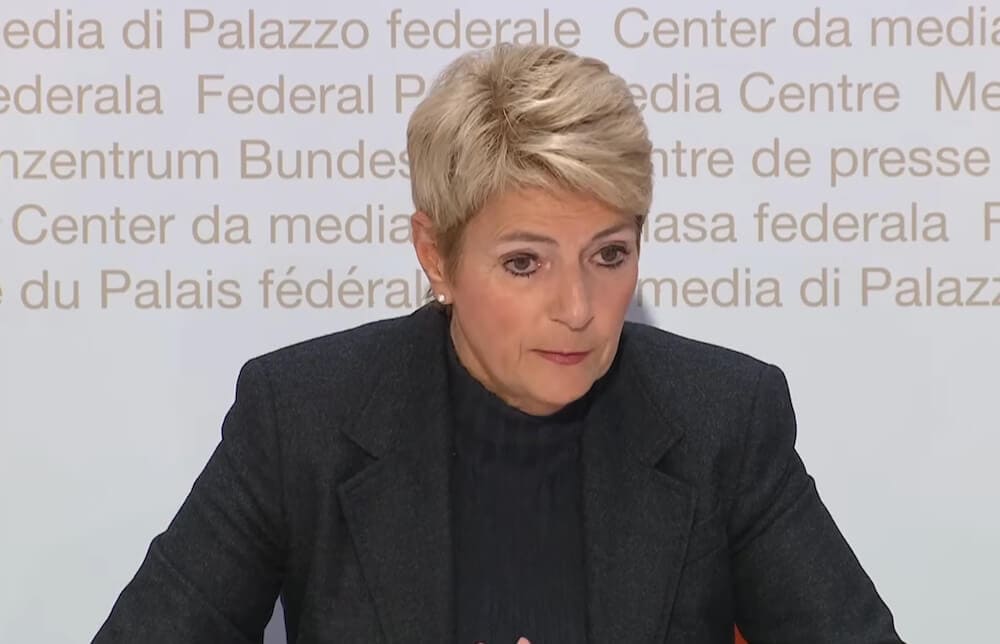
Karin Keller-Sutter, the finance minister, said in Bern that the better-than-expected result did not alter the need for the government’s planned relief package from 2027. Even with the savings programme currently before parliament and a proposed VAT increase to fund defence and security spending, structural deficits of CHF 2bn to CHF 4bn are projected for 2027–29.
Recent amendments in the Council of States, which trimmed roughly CHF 900m from the proposed savings, have further complicated the picture. On updated projections, the 2027 budget would show a structural deficit of around CHF 400m.
Ms Keller-Sutter described the 2025 outcome as a perfect landing, but stressed that the Geneva revenues were exceptional. The federal budget is under pressure, and it is not a given that we will see a billion-franc surprise every year, she said. The surplus—CHF 259m on an expenditure base of CHF 88bn—was practically nothing, she added—it’s 0.29%.
In recent years federal revenues have often exceeded forecasts. Asked whether the government’s repeated warnings might undermine its credibility, Ms Keller-Sutter noted that average deviations from the budget over the past decade amounted to just 0.1%.
Under Switzerland’s constitutional debt brake, the federal government must balance its budget over the cycle. The minister insisted that the 27th relief package therefore remains necessary, though she rejected indiscriminate, across-the-board cuts. The debt brake, she argued, is a pillar of Switzerland’s economic stability and an important tool for crisis preparedness—citing the country’s handling of the pandemic and its support for Ukraine.
There is, she concluded, no room for complacency. Planned increases in defence spending and the introduction of a 13th monthly state pension will weigh heavily on the public finances. The budget is not facing these challenges from a position of strength—quite the opposite.
More on this:
Press conference video (in German and a bit for French)
For more stories like this on Switzerland follow us on Facebook and Twitter.