
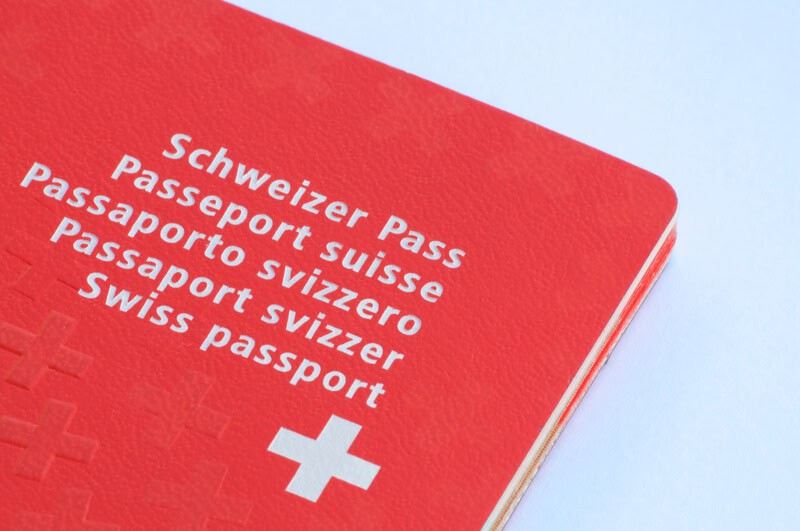
A proposal to ease Switzerland’s naturalisation rules has reached the Swiss National Council, Switzerland’s parliament.
The so-called Democracy Initiative has already cleared the first hurdle. Backers gathered 104,782 valid signatures—comfortably above the 100,000 required—forcing a national vote.
The plan would make naturalisation more administrative and less discretionary. Applicants who have lived legally in Switzerland for five years, have no serious criminal record, pose no threat to security and possess basic knowledge of a national language would, in effect, be entitled to citizenship.
That would mark a sharp break with today’s system. Naturalisation is currently a three-tier affair: municipalities and cantons grant their own citizenship, while the federal government, through the State Secretariat for Migration, gives final approval. Costs vary widely, but can run to several thousand francs once local and cantonal fees are included. A minimum of 10 years of residency is required.
This week, the initiative triggered a broader argument in Bern about Swiss identity. On the left, lawmakers say the current regime is overly onerous. MPs from the Socialist Party (SP) and the Green Party (GP) describe a process that is costly, intrusive and inconsistent.
For the Swiss People’s Party (UDC/SVP) and PLR/FDP, naturalisation should remain discretionary, not a box-ticking exercise. Local authorities, they argue, are best placed to assess integration.
A more modest reform found some cross-party support. The Green Liberal Party, alongside the SP and the Greens, proposed extending facilitated naturalisation to second-generation immigrants (it currently applies only to the third). Those born, schooled and settled here should not remain perpetual guests.
According to SRF. some left-wing MPs quizzed UDC/SVP members using sample citizenship-test questions, with mixed success.
Party positions may be tinged with political self interest. There is some evidence that voters with an immigrant background lean more to the left than native-born Swiss. One study using 2019 data found that 44% of those with at least one foreign-born parent supported the Socialist or Green parties, compared with 34% of those whose parents were both born in Switzerland. Support for the Swiss People’s Party (UDC/SVP) showed the opposite pattern: 13% among those with an immigrant background, versus 20% among those with two Swiss-born parents.
The gap narrows slightly among naturalised citizens. In that group, 42% support the Socialist or Green parties and 15% the UDC/SVP, compared with 44% and 13% respectively among non-naturalised residents of immigrant origin.
In the end, the National Council recommended rejecting the initiative. The Swiss Council of States, Switzerland’s upper house, will consider it in the summer session. As ever in Switzerland, the final verdict will probably rest with voters.
For more stories like this on Switzerland follow us on Facebook and Twitter.