
Close Menu
  • Home
  • Politics
  • Business & Economy
  • Education
  • Environment
  • Immigration
  • Technology
  • Automotive
  • Things To Do
  • More
    • Web Stories
    • Global
    • Press Release
What's On

Switzerland plans to expand roadside noise radars

12 December 2025

Swiss solar initiative clears signature hurdle

12 December 2025

Switzerland’s parliament moves to ban firecrackers

12 December 2025

Switzerland moves to tighten asylum policy

11 December 2025

Swiss parliament scraps funding for the Basel–Malmö night train

11 December 2025
Facebook X (Twitter) Instagram
Web Stories
Switzerland Times
  • Home
  • Politics
  • Business & Economy
  • Education
  • Environment
  • Immigration
  • Technology
  • Automotive
  • Things To Do
  • More
    • Web Stories
    • Global
    • Press Release
Home » How to avoid death and injury from lightning
Environment

How to avoid death and injury from lightning

By switzerlandtimes.ch23 August 20242 Mins Read
How to avoid death and injury from lightning
Share
Facebook Twitter LinkedIn Pinterest Email

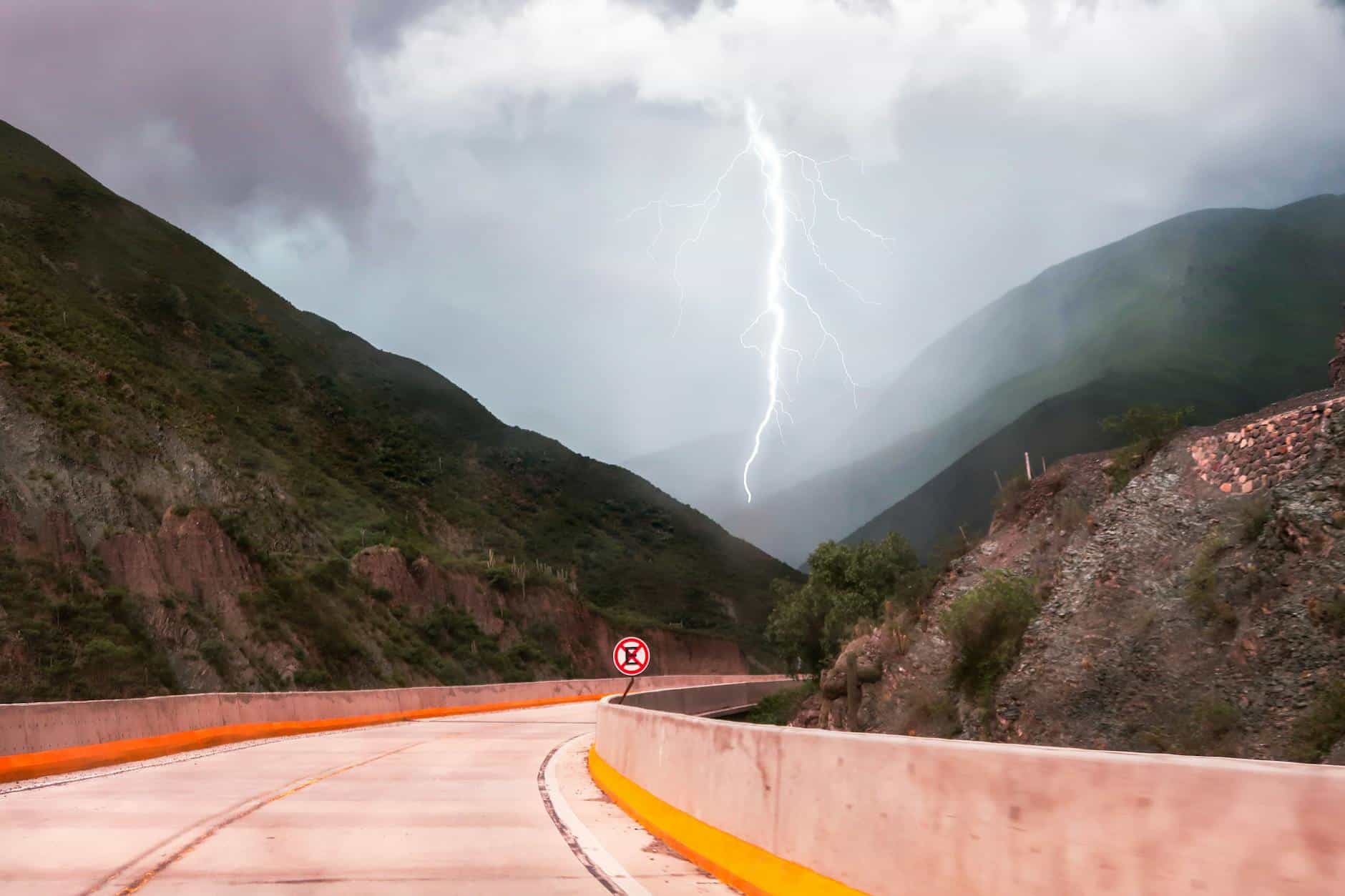
Switzerland is no stranger to violent storms, which sometime come out of nowhere when hiking in the mountains. According to experts, most people struck by lightning survive. But the risks of suffering long term damage are high, reported SRF.

The electricity discharged by lightning can be as high as 100,000 amperes, according to Christian Franck, a physicist at ETH Zurich. 100,000 amperes is thousands of times more than the current in a home wall socket.

A direct hit is not required to get shocked by lightning. Someone can receive a shock from the ground around them if a lightning bolt strikes the ground nearby.

The reason most survive a lightning strike is the very high tissue resistance of the skin. Most of the electricity does not get past the skin. It passes via the skin to the ground rather than going through the body. If it does enter the body it can pass through nerves and blood vessels, some of which lead to the heart, which is why most who die from a lightning strike die from a heart attack.

While most people survive a lightning strike, they often suffer long-term damage. Victims typically suffer from impaired memory and have difficulty concentrating and speaking.

So what should you do when caught outside in a thunder storm?

The best advice is to squat down and keep your feet together while remaining apart from other people and objects that could fall on you. Do not lie flat. This makes you a bigger target. Staying away from other people removes the chance of everyone being hit together. Any metal objects should also be stowed away.

More on this:
SRF article (in German) 

For more stories like this on Switzerland follow us on Facebook and Twitter.

Share. Facebook Twitter Pinterest LinkedIn Tumblr Email

Keep Reading

Switzerland plans to expand roadside noise radars

Swiss solar initiative clears signature hurdle

Switzerland’s parliament moves to ban firecrackers

Swiss parliament scraps funding for the Basel–Malmö night train

Cuts in Swiss bureaucracy could save 30 billion a year

Winter tyres: a cold-weather essential

Zurich to vote on penalising heavy cars and banning leaf blowers

Zurich voters sweep away petrol leaf blowers

Hiking accidents double in Switzerland over 15 years

Editors Picks

Switzerland plans to expand roadside noise radars

12 December 2025

Swiss solar initiative clears signature hurdle

12 December 2025

Switzerland’s parliament moves to ban firecrackers

12 December 2025

Switzerland moves to tighten asylum policy

11 December 2025
Latest Posts

Switzerland plans to expand roadside noise radars

12 December 2025

Swiss solar initiative clears signature hurdle

12 December 2025

Switzerland’s parliament moves to ban firecrackers

12 December 2025
Facebook X (Twitter) Pinterest TikTok Instagram
© 2025 Switzerland Times. All Rights Reserved.
  • Privacy Policy
  • Terms
  • Advertise
  • Contact

Type above and press Enter to search. Press Esc to cancel.