
Close Menu
  • Home
  • Politics
  • Business & Economy
  • Education
  • Environment
  • Immigration
  • Technology
  • Automotive
  • Things To Do
  • More
    • Web Stories
    • Global
    • Press Release
What's On

Swiss reservoirs at lowest level in two decades

18 July 2026

A third of Swiss Asian supermarket vegetables fail pesticide tests

17 July 2026

Matterhorn is becoming more dangerous

17 July 2026

How Elvis Tech Is Building a More Reliable Future for Nigeria’s Digital Workforce

16 July 2026

EXCLUSIVE: The Supreme Court ruled in favor of IBOX BANK. Сharges have been dropped

13 July 2026
Facebook X (Twitter) Instagram
Web Stories
Switzerland Times
  • Home
  • Politics
  • Business & Economy
  • Education
  • Environment
  • Immigration
  • Technology
  • Automotive
  • Things To Do
  • More
    • Web Stories
    • Global
    • Press Release
Home » Swiss glaciers enter summer with unusually low snow cover
Environment

Swiss glaciers enter summer with unusually low snow cover

By switzerlandtimes.ch8 May 20262 Mins Read
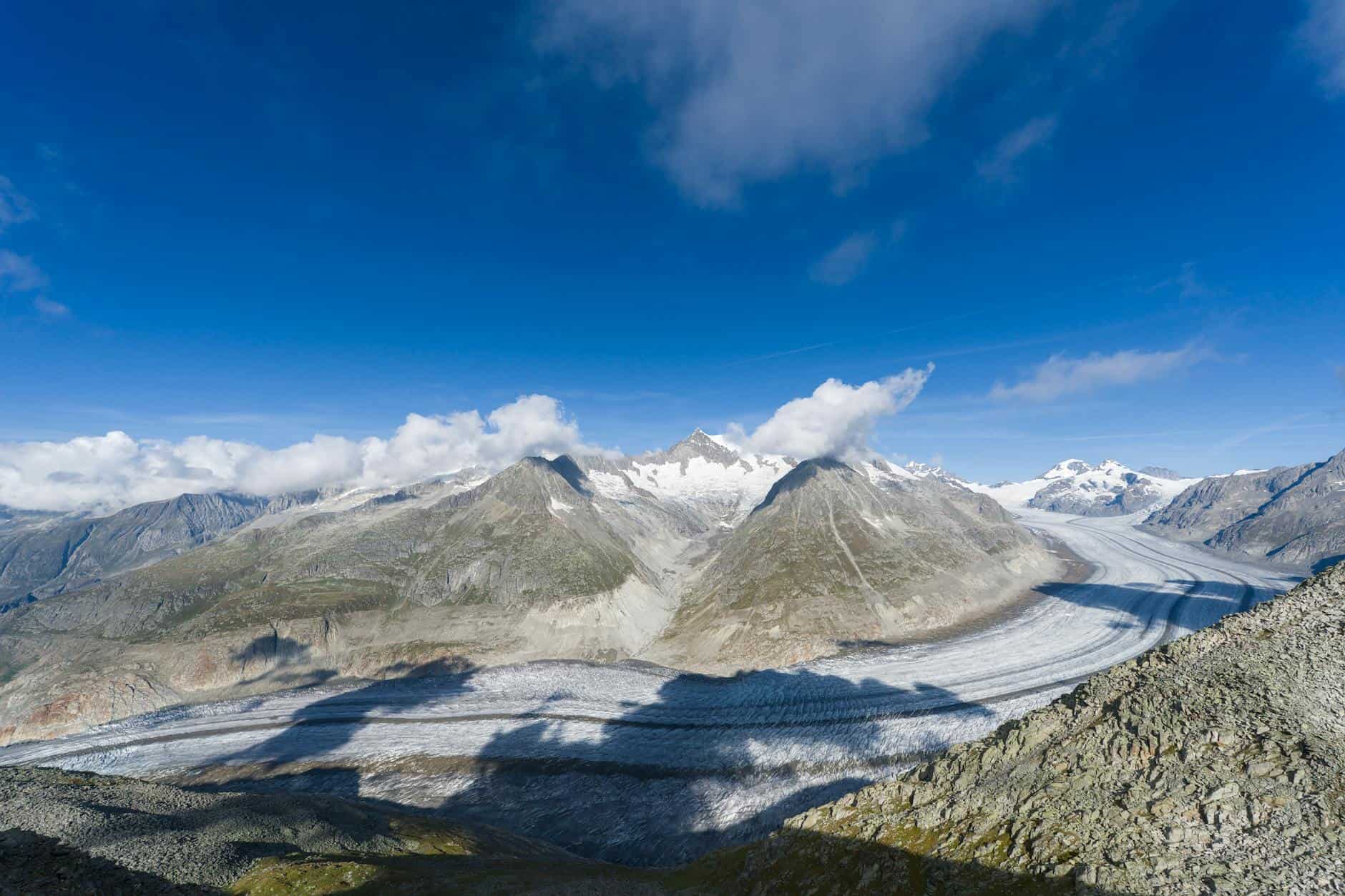
Swiss glaciers enter summer with unusually low snow cover
Share
Facebook Twitter LinkedIn Pinterest Email

Swiss glaciers are emerging from winter with unusually little snow, leaving them poorly protected ahead of the summer melt season.

According to the latest report from the Swiss Glacier Monitoring Network (GLAMOS), measurements taken on 25 glaciers in April and early May showed significantly below-average snow cover. Snow depth ranged from one to four metres depending on the region, but overall glaciers held around 25% less winter snow than the average recorded between 2010 and 2020.

Snow acts as a protective layer for glaciers during the warmer months. The thicker the snowpack in spring, the longer underlying ice is shielded from summer heat. Thin snow cover therefore leaves glaciers more vulnerable to melting.

If we have less snow, it disappears more quickly once temperatures rise, said Matthias Huss, head of GLAMOS. That means glacier mass loss begins earlier and is likely to be more severe if summer temperatures are as high as in recent years.

Dry winter, early melting
The main reason for the low snow cover was a lack of winter precipitation. Temperatures matter less for glaciers during winter because conditions at high altitude generally remain below freezing.
Apart from a few brief periods, this winter was exceptionally dry, echoing conditions seen in 2022 and 2023. Those years also brought unusually low snowfall on glaciers and record levels of melting.

April compounded the problem. The month was both warm and dry, and glaciers accumulated little fresh snow. Normally, snowfall at high altitude continues well into spring even after temperatures rise in lower regions.

As a result, some glacier tongues have already begun melting unusually early. Although early melting has occurred before, GLAMOS says it has become increasingly common in recent years.

Sharp regional contrasts
Conditions vary across the Alps. Southeastern Switzerland has seen some of the worst snow deficits because of especially dry winter weather.

The Murtèl rock glacier and the Pers Glacier in the Engadine recorded snow depths 42% and 39% below the 2010-20 average respectively. The Rhone Glacier and the Great Aletsch Glacier were also in poor condition, with snow cover down by 26% and 32%.

By contrast, glaciers in the western Bernese Oberland and parts of Valais recorded snow depths closer to seasonal norms.

More on this:
GLAMOS article (in English)

For more stories like this on Switzerland follow us on Facebook and Twitter.

Share. Facebook Twitter Pinterest LinkedIn Tumblr Email

Keep Reading

Swiss reservoirs at lowest level in two decades

A third of Swiss Asian supermarket vegetables fail pesticide tests

Matterhorn is becoming more dangerous

Recent Swiss heatwave causes fewer deaths than 2003

New nuclear plants a difficult option for Switzerland

Swiss railway solar panel experiment passes one-year milestone

Traffic jams on Swiss motorways surged in 2025

Is Switzerland reliving the infamous summer of 2003?

How climate change is threatening Swiss Alpine huts

Editors Picks

Swiss reservoirs at lowest level in two decades

18 July 2026

A third of Swiss Asian supermarket vegetables fail pesticide tests

17 July 2026

Matterhorn is becoming more dangerous

17 July 2026

How Elvis Tech Is Building a More Reliable Future for Nigeria’s Digital Workforce

16 July 2026
Latest Posts

Swiss reservoirs at lowest level in two decades

18 July 2026

A third of Swiss Asian supermarket vegetables fail pesticide tests

17 July 2026

Matterhorn is becoming more dangerous

17 July 2026
Facebook X (Twitter) Pinterest TikTok Instagram
© 2026 Switzerland Times. All Rights Reserved.
  • Privacy Policy
  • Terms
  • Advertise
  • Contact

Type above and press Enter to search. Press Esc to cancel.