
Close Menu
  • Home
  • Politics
  • Business & Economy
  • Education
  • Environment
  • Immigration
  • Technology
  • Automotive
  • Things To Do
  • More
    • Web Stories
    • Global
    • Press Release
What's On

Swiss reservoirs at lowest level in two decades

18 July 2026

A third of Swiss Asian supermarket vegetables fail pesticide tests

17 July 2026

Matterhorn is becoming more dangerous

17 July 2026

How Elvis Tech Is Building a More Reliable Future for Nigeria’s Digital Workforce

16 July 2026

EXCLUSIVE: The Supreme Court ruled in favor of IBOX BANK. Сharges have been dropped

13 July 2026
Facebook X (Twitter) Instagram
Web Stories
Switzerland Times
  • Home
  • Politics
  • Business & Economy
  • Education
  • Environment
  • Immigration
  • Technology
  • Automotive
  • Things To Do
  • More
    • Web Stories
    • Global
    • Press Release
Home » Swiss reservoirs at lowest level in two decades
Environment

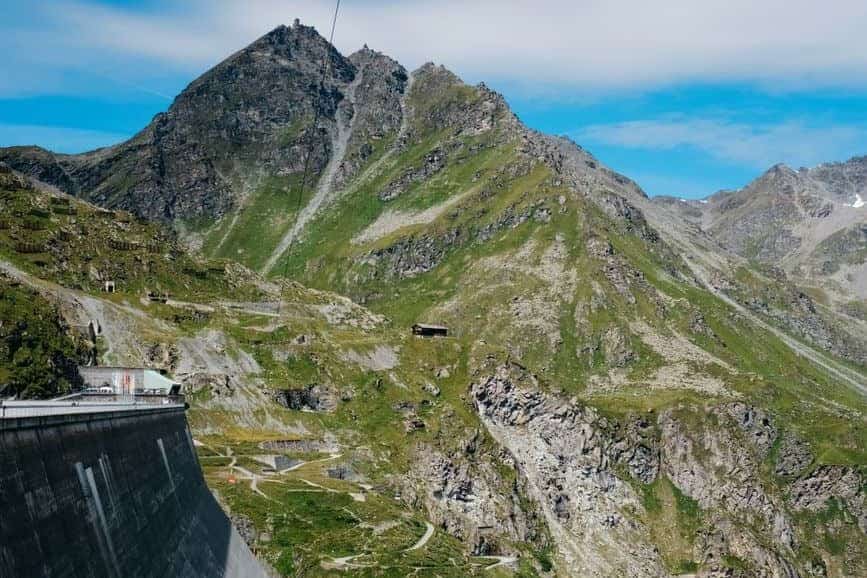
Swiss reservoirs at lowest level in two decades

By switzerlandtimes.ch18 July 20262 Mins Read
Swiss reservoirs at lowest level in two decades
Share
Facebook Twitter LinkedIn Pinterest Email

Swiss water reservoirs are unusually depleted for this time of year, reaching their lowest seasonal level in at least 20 years.

According to the latest weekly data from the Federal Office of Energy (FOE), they are 46% full—16.4 percentage points below the average for the same point in the year over the past two decades.

The unusually low levels reflect a combination of poor winter snowfall and an exceptionally dry spring. Federal data show that spring 2026 was among the driest since nationwide records began in 1864.

Despite the shortfall, the federal government sees no immediate threat to Switzerland’s electricity supply. Reservoir hydropower typically provides about one-fifth of winter electricity demand, and Andreas Jöckel of the Federal Electricity Commission (ElCom) says there is no reason to expect shortages in either the short or the long term. He cautions, however, that the outlook remains uncertain and will depend on rainfall over the coming months.

Alpiq, one of Switzerland’s largest hydropower operators, also expects reservoir levels to recover. The company, which has interests in the Grand Dixence, Emosson and Gougra reservoirs in Valais, said last week that recent heat had substantially increased inflows as glaciers melted. Those reservoirs remain heavily dependent on glacial runoff. That source of water will not last indefinitely. As glaciers continue to retreat, summer meltwater will diminish.

More on this:
FOE data (in French) – Take a 5 minute French test now

For more stories like this on Switzerland follow us on Facebook and X.

Share. Facebook Twitter Pinterest LinkedIn Tumblr Email

Keep Reading

A third of Swiss Asian supermarket vegetables fail pesticide tests

Matterhorn is becoming more dangerous

Recent Swiss heatwave causes fewer deaths than 2003

New nuclear plants a difficult option for Switzerland

Swiss railway solar panel experiment passes one-year milestone

Traffic jams on Swiss motorways surged in 2025

Is Switzerland reliving the infamous summer of 2003?

How climate change is threatening Swiss Alpine huts

Swiss rivers are overheating

Editors Picks

Swiss reservoirs at lowest level in two decades

18 July 2026

A third of Swiss Asian supermarket vegetables fail pesticide tests

17 July 2026

Matterhorn is becoming more dangerous

17 July 2026

How Elvis Tech Is Building a More Reliable Future for Nigeria’s Digital Workforce

16 July 2026
Latest Posts

Swiss reservoirs at lowest level in two decades

18 July 2026

A third of Swiss Asian supermarket vegetables fail pesticide tests

17 July 2026

Matterhorn is becoming more dangerous

17 July 2026
Facebook X (Twitter) Pinterest TikTok Instagram
© 2026 Switzerland Times. All Rights Reserved.
  • Privacy Policy
  • Terms
  • Advertise
  • Contact

Type above and press Enter to search. Press Esc to cancel.