
Close Menu
  • Home
  • Politics
  • Business & Economy
  • Education
  • Environment
  • Immigration
  • Technology
  • Automotive
  • Things To Do
  • More
    • Web Stories
    • Global
    • Press Release
What's On

The politics of air conditioning in Switzerland

29 May 2026

Knife attack suspect active in the Islamic extremist scene in Winterthur

29 May 2026

What impact could a 10m population cap have on Swiss pensions and health premiums?

29 May 2026

Swiss voters will decide on two popular initiatives on September 27th

29 May 2026

Switzerland’s childhood-obesity problem stabilising for some

22 May 2026
Facebook X (Twitter) Instagram
Web Stories
Switzerland Times
  • Home
  • Politics
  • Business & Economy
  • Education
  • Environment
  • Immigration
  • Technology
  • Automotive
  • Things To Do
  • More
    • Web Stories
    • Global
    • Press Release
Home » How Switzerland’s population has changed in 50 years
Business & Economy

How Switzerland’s population has changed in 50 years

By switzerlandtimes.ch10 April 20262 Mins Read
How Switzerland’s population has changed in 50 years
Share
Facebook Twitter LinkedIn Pinterest Email

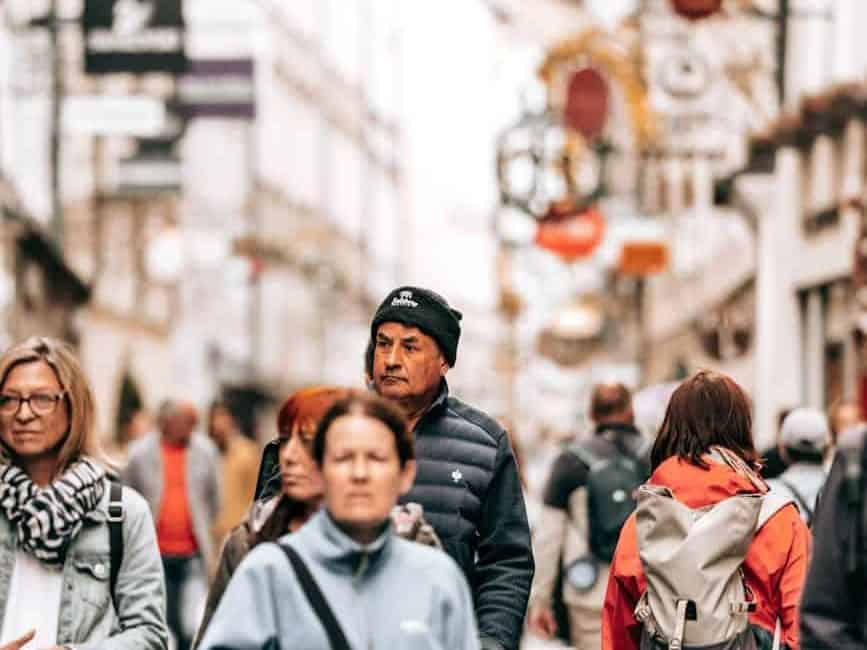
As Switzerland debates the “No to a 10-million Switzerland” initiative backed by the Swiss People’s Party (UDC/SVP), it is worth setting the country’s demographic trajectory in a broader European context.

Switzerland’s population has expanded rapidly. Over the past half-century, it has recorded the third-fastest growth rate in western Europe, behind only Luxembourg and Ireland. The population has risen from about 6.3m in 1975 to more than 9m today—Eurostat data.

Unlike in many countries, this increase has not been driven primarily by births. Instead, immigration has done most of the work. High wages, plentiful jobs and economic stability have made Switzerland an enduring magnet for workers, particularly from elsewhere in Europe—around three quarters of the foreigners in Switzerland are from the EU.

This inflow has been accompanied by a notable outflow. Many migrants—especially those from southern Europe—leave the country upon retirement, pushed in part by Switzerland’s high cost of living. Demographic studies suggest that return rates for some groups may reach 40–60%.

In comparative terms, Switzerland’s population growth has been striking but not exceptional:

Population growth, 1975–2025

  • Luxembourg (~86%)
  • Ireland (~66%)
  • Switzerland (~43%)
  • Spain (~37%)
  • Netherlands (~34%)
  • France (~28%)
  • United Kingdom (~24%)
  • Austria (~21%)
  • Belgium (~20%)
  • Portugal (~14%)
  • Italy (~7%)
  • Germany (~7%)

The pattern points to a distinctive model. Switzerland attracts large numbers of working-age migrants—many already trained and educated—who contribute during their most productive years before, in many cases, returning home later in life. For those who remain, this churn has clear economic advantages: it boosts the labour force while limiting the long-term fiscal costs associated with ageing.

At the same time, rising immigration, particularly since the introduction of free movement with the European Union in 2002 has put increasing pressure on Switzerland’s infrastructure and housing market.

For more stories like this on Switzerland follow us on Facebook and Twitter.

Share. Facebook Twitter Pinterest LinkedIn Tumblr Email

Keep Reading

Sharp rise in Swiss bankruptcies not what it seems

Luzern overtakes Zug as Switzerland’s lowest-tax canton

The people losing their homes in French-speaking Switzerland

Swiss exports weakest in 5 years

Swiss government wants more Sunday shopping

Swiss wages surge ahead of inflation

Switzerland uneasy about pressure from Washington over its monetary policy

Swiss consumer sentiment reaches lowest level in over a year

Swiss court rules that only dairy can be called “milk”

Editors Picks

The politics of air conditioning in Switzerland

29 May 2026

Knife attack suspect active in the Islamic extremist scene in Winterthur

29 May 2026

What impact could a 10m population cap have on Swiss pensions and health premiums?

29 May 2026

Swiss voters will decide on two popular initiatives on September 27th

29 May 2026
Latest Posts

The politics of air conditioning in Switzerland

29 May 2026

Knife attack suspect active in the Islamic extremist scene in Winterthur

29 May 2026

What impact could a 10m population cap have on Swiss pensions and health premiums?

29 May 2026
Facebook X (Twitter) Pinterest TikTok Instagram
© 2026 Switzerland Times. All Rights Reserved.
  • Privacy Policy
  • Terms
  • Advertise
  • Contact

Type above and press Enter to search. Press Esc to cancel.