
Close Menu
  • Home
  • Politics
  • Business & Economy
  • Education
  • Environment
  • Immigration
  • Technology
  • Automotive
  • Things To Do
  • More
    • Web Stories
    • Global
    • Press Release
What's On

A quarter of Swiss buildings now have heat pumps

15 September 2026

What is going wrong in Swiss schools?

13 September 2026

Swiss housing acutely scarce again

12 September 2026

Support for an immigration levy grows in Bern

12 September 2026

Most Swiss electricity bills to fall in 2027

12 September 2026
Facebook X (Twitter) Instagram
Web Stories
Switzerland Times
  • Home
  • Politics
  • Business & Economy
  • Education
  • Environment
  • Immigration
  • Technology
  • Automotive
  • Things To Do
  • More
    • Web Stories
    • Global
    • Press Release
Home » Rising prices – where Swiss are cutting back
Business & Economy

Rising prices – where Swiss are cutting back

By switzerlandtimes.ch26 January 20242 Mins Read
Rising prices – where Swiss are cutting back
Share
Facebook Twitter LinkedIn Pinterest Email

Purchasing power has been hit much less in Switzerland than in other European nations. Between 2020 and 2023 food prices went up 6% in Switzerland. The same figure in Germany (+17%), UK (+40%) and Estonia (+43%) is much higher.

At the same time, big ticket items like health insurance and rent have made a big dent in Swiss budgets. These more visible prices rises have created a perception that overall costs have risen more than they actually have. This perception has led the population to cut back on spending.

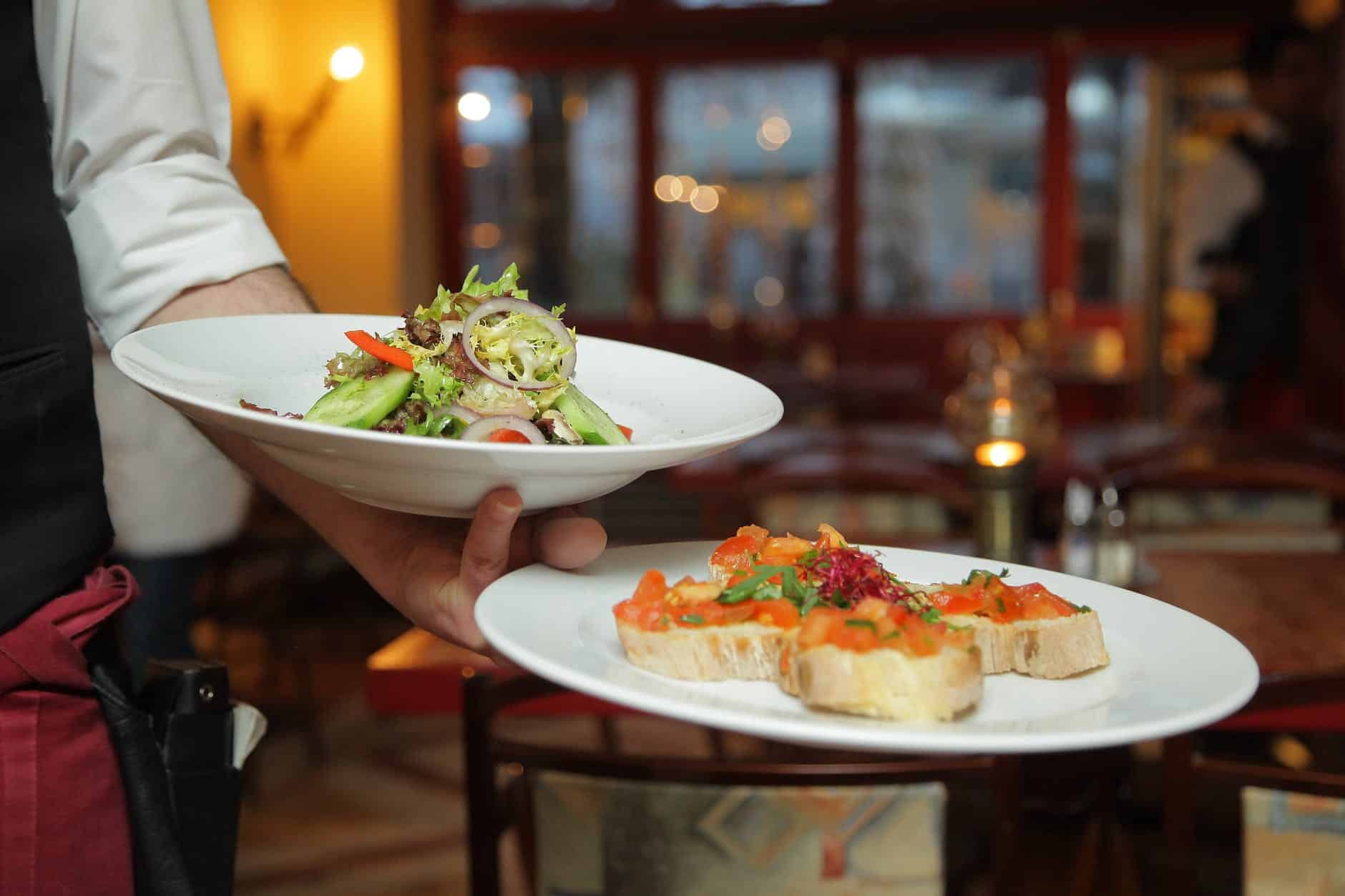
The most popular cut back has been spending on going out and eating out. 52% have cut back on this. Next are clothing (42%), holidays (41%), leisure activities (41%), food (34%), personal services (32%), furniture and household items (31%), cultural events (29%), vehicle costs (28%), electronic products (25%), ancillary housing costs (22%), media/entertainment (22%), health insurance premiums (19%), telecommunication (16%), public transport (14%), financial products excluding insurance (12%), insurance – excluding health insurance (11%), housing costs (10%) and education (10%).

Declining inflation could ease the sense and need for cut backs. However, not all price increases, for example energy prices, reverse. A certain loss of purchasing power remains due to higher prices that are baked in, such as those for healthcare. This means at least some consumers are likely to keep their budget saving measures in place out of necessity. In addition, new spending habits can develop. Why go back to dining out when home dinner parties are the new normal?

More on this:
Deloitte survey (in English)

For more stories like this on Switzerland follow us on Facebook and Twitter.

Share. Facebook Twitter Pinterest LinkedIn Tumblr Email

Keep Reading

Support for an immigration levy grows in Bern

Switzerland’s biggest battery joins the grid — for now

Switzerland’s gender pay gap shrinks to its lowest ever

Swiss GDP growth holds steady in 2025

Swiss labour market keeps growing despite skills shortage

Swiss exporters set for major tariff breakthrough in China

Swiss unions want a 2% pay rise. Employers are unconvinced

Switzerland’s inflation problem is that it barely has one

Rejection of wage protection measures risks Swiss-EU deal

Editors Picks

A quarter of Swiss buildings now have heat pumps

15 September 2026

What is going wrong in Swiss schools?

13 September 2026

Swiss housing acutely scarce again

12 September 2026

Support for an immigration levy grows in Bern

12 September 2026
Latest Posts

A quarter of Swiss buildings now have heat pumps

15 September 2026

What is going wrong in Swiss schools?

13 September 2026

Swiss housing acutely scarce again

12 September 2026
Facebook X (Twitter) Pinterest TikTok Instagram
© 2026 Switzerland Times. All Rights Reserved.
  • Privacy Policy
  • Terms
  • Advertise
  • Contact

Type above and press Enter to search. Press Esc to cancel.