
The cost of inaction is enormous, says the committee behind Switzerland’s proposed climate fund. Speaking at a press conference on Tuesday, its members urged voters to back the initiative on March 8th, arguing that it is essential to protect future generations.
Alpine Switzerland is particularly exposed to the effects of climate change, according to the sponsors of the proposal, led by the Socialist and Green parties. They are joined by the Evangelical People’s Party (PEV/EVP), the Young Green Liberals, trade unions and some climate scientists from Switzerland’s federal institutes of technology.
Although voters have endorsed the goal of net-zero emissions by 2050, the committee argues that climate policy and decarbonisation are too slow. Global warming is already inflicting damage of almost CHF 1 billion a year, it says. By 2060, annual costs could reach CHF 34 billion, warned Marc Jost, a parliamentarion from the Evangelical People’s Party (PEV/EVP).
The popular initiative—formally titled: For a fair energy and climate policy – investing for prosperity, jobs and the environment—calls on the federal government to create a climate fund, financed by annual contributions of between 0.5% and 1% of GDP until 2050. That would amount to between CHF 3.9 billion and CHF 7.8 billion a year.
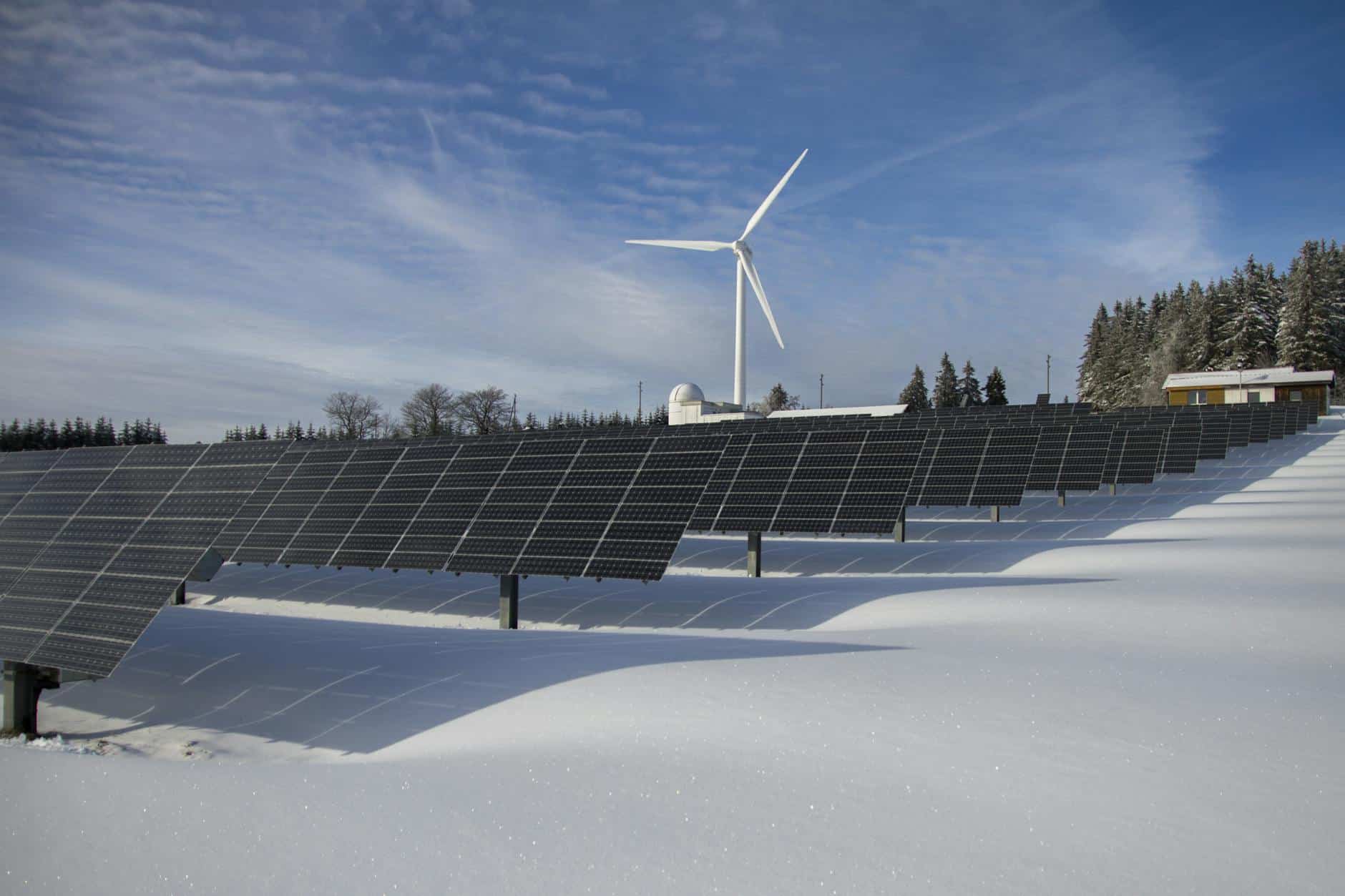
The money would be used to expand solar power, speed up the renovation of buildings and develop public transport, while protecting natural habitats and biodiversity. It would also support investment in more secure, sustainable jobs, including retraining and continuing education, to ensure that workers are not left behind and that labour shortages do not become a bottleneck, say vote organisers.
The fund would also channel investment into climate-friendly technologies. Such technologies already exist, argues Lisa Mazzone, the Greens’ president, but lack sufficient capital to scale up.
Exemption from the debt brake
Supporters say the initiative would finally tackle the project of our generation: climate protection. Mr Jost spoke of securing the future for our children and grandchildren. Jean-Pierre Danthine, a professor at EPFL and a former vice-president of the Swiss National Bank, argues that this long-term objective justifies exempting the fund from Switzerland’s debt brake—the debt brake is designed to protect future generations from the current one living beyond its means.
An ineffective costly proposal
Opponents question the plan’s effectiveness and argue that it would be wrong to saddle future generations with the debt the fund might incur.
Economists tend to flinch at talk of subsidies. By lowering the apparent cost of certain activities, they can blur price signals, encourage investments that would not stack up at true market prices, lock in favoured technologies and stifle innovation elsewhere. The Greens reply that today’s signals are already distorted: fossil fuels remain underpriced because the damage they inflict on the climate is not fully reflected in their cost. Even so, most economists would favour broader, technology-neutral tools—carbon pricing above all—to correct such failures.
Subsidies also have a habit of outliving their usefulness. Once in place, they are politically difficult to unwind. A large, permanent climate fund therefore risks turning climate policy into industrial policy by stealth, substituting administrative judgement for clearer market signals.
That tension maps neatly onto the broader political divide. The left places less faith in solutions that rely on market signals. The right, for its part, fears that an expansive system of subsidies could begin to resemble a wasteful counterproductive Soviet-style five-year plan. The position of the Green Liberal Party is telling. Though committed to environmental protection, it has declined to back the initiative, preferring incentive-based, market-linked approaches that integrate climate policy with energy security and limit the role of the state. In short, it shares the goal—but not the method.
Casting all opponents of the initiative as reckless, selfish or in denial about climate change may make for effective politics. It would also be unfair. Many just view the plan as a poor solution to an important and pressing challenge.
The Federal Council and parliament have rejected the initiative without proposing a counter-offer.
On March 8th, Swiss voters will have the final say.
For more stories like this on Switzerland follow us on Facebook and Twitter.