
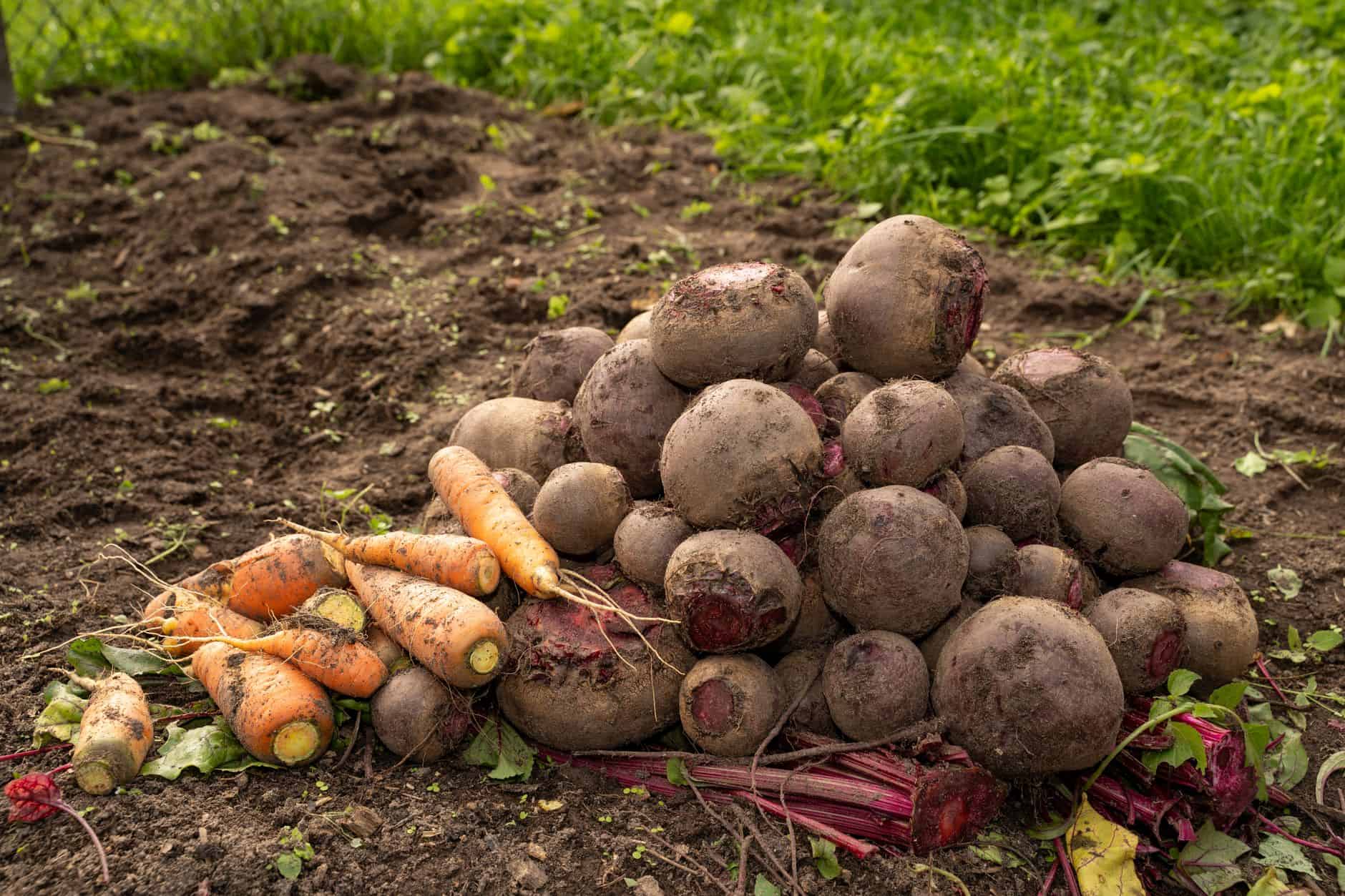
Food security occupies a special place in Swiss political culture. During the second world war, Switzerland launched the Wahlen Plan, a drive to expand domestic food production in anticipation of a possible blockade. The programme became part of the country’s collective memory and continues to shape debates about agriculture. Advocates of greater self-sufficiency frequently invoke this tradition of preparedness and national resilience.
Yet the means matter as much as the ends. Efforts to reconcile higher self-sufficiency with environmental goals have run into political resistance, reports RTS. One proposal seeks to reduce agriculture’s environmental footprint while increasing domestic food production by shifting away from Switzerland’s livestock-heavy farming model towards a more plant-based one. The idea has proved controversial.
That tension is at the heart of a food-security initiative that will go before voters in September. Opponents argue that its objectives are detached from agricultural and economic realities. At a press conference in Bern on Thursday, the campaign against the proposal said that raising Switzerland’s food self-sufficiency rate to 70% within a decade would require sweeping state intervention.
Critics contend that the initiative would steer consumers towards a predominantly plant-based diet, restricting consumer choice in the process. They also argue that it would raise food prices, encourage cross-border shopping and ultimately undermine rather than strengthen domestic food production.
The federal government likewise recommends rejecting the proposal. Switzerland’s net food self-sufficiency rate currently stands at around 46%. In the government’s view, increasing that figure to 70% within ten years while simultaneously meeting environmental objectives is not a realistic prospect.
Business groups and food-industry representatives warn that the initiative would expand bureaucracy and deepen state involvement in the economy. Fabio Regazzi, president of the Swiss Federation of Small and Medium Enterprises, argues that it relies excessively on regulation at the expense of individual responsibility. The consequences, he says, would be felt not only by farmers but also by thousands of firms throughout the food supply chain.
Céline Amaudruz, a vice-president of the Swiss People’s Party (UDC/SVP), has criticised what she describes as an attempt to impose a quasi-vegan model of consumption. She questions the need for a 70% self-sufficiency target, arguing that Swiss agriculture is already among the world’s most sustainable. Markus Ritter, president of the Swiss Farmers’ Union, has voiced similar concerns.
Officially titled “For secure food supplies—through stronger sustainable domestic production, more plant-based foods and clean drinking water”, the initiative was launched by Franziska Herren, who also spearheaded the drinking-water initiative rejected by voters in 2021. The referendum will take place on September 27th. The government has declined to offer a counterproposal.
Ironically, Switzerland’s most celebrated drive for food self-sufficiency relied on measures that closely resemble those proposed by today’s initiative. Under the Wahlen Plan, devised by Friedrich Traugott Wahlen during the second world war, households were encouraged to grow vegetables, pastureland was converted to cropland, and farmers were steered away from livestock towards potatoes, grains and other calorie-rich crops. The result was a sharp expansion of cultivated land and a substantial increase in domestic food production between 1939 and 1945.
But Switzerland in 1940 was preparing for blockade and possible starvation. Switzerland in 2026 faces no such threat. What made sense in wartime is a harder sell in peacetime.
More on this:
RTS article (in French) – Take a 5 minute French test now
For more stories like this on Switzerland follow us on Facebook and Twitter.