
Close Menu
  • Home
  • Politics
  • Business & Economy
  • Education
  • Environment
  • Immigration
  • Technology
  • Automotive
  • Things To Do
  • More
    • Web Stories
    • Global
    • Press Release
What's On

Upcoming Swiss votes: one tight race, three clearer outcomes

30 January 2026

How some Swiss struggle to integrate in Switzerland

30 January 2026

Swiss party seeks cap on primary school pupils not speaking language of instruction

30 January 2026

Swiss exports reach a record high in 2025

30 January 2026

Swiss government plans VAT hike for military spending

30 January 2026
Facebook X (Twitter) Instagram
Web Stories
Switzerland Times
  • Home
  • Politics
  • Business & Economy
  • Education
  • Environment
  • Immigration
  • Technology
  • Automotive
  • Things To Do
  • More
    • Web Stories
    • Global
    • Press Release
Home » The Federal Council wants to tax electric cars from 2030
Business & Economy

The Federal Council wants to tax electric cars from 2030

By switzerlandtimes.ch1 November 20252 Mins Read
The Federal Council wants to tax electric cars from 2030
Share
Facebook Twitter LinkedIn Pinterest Email

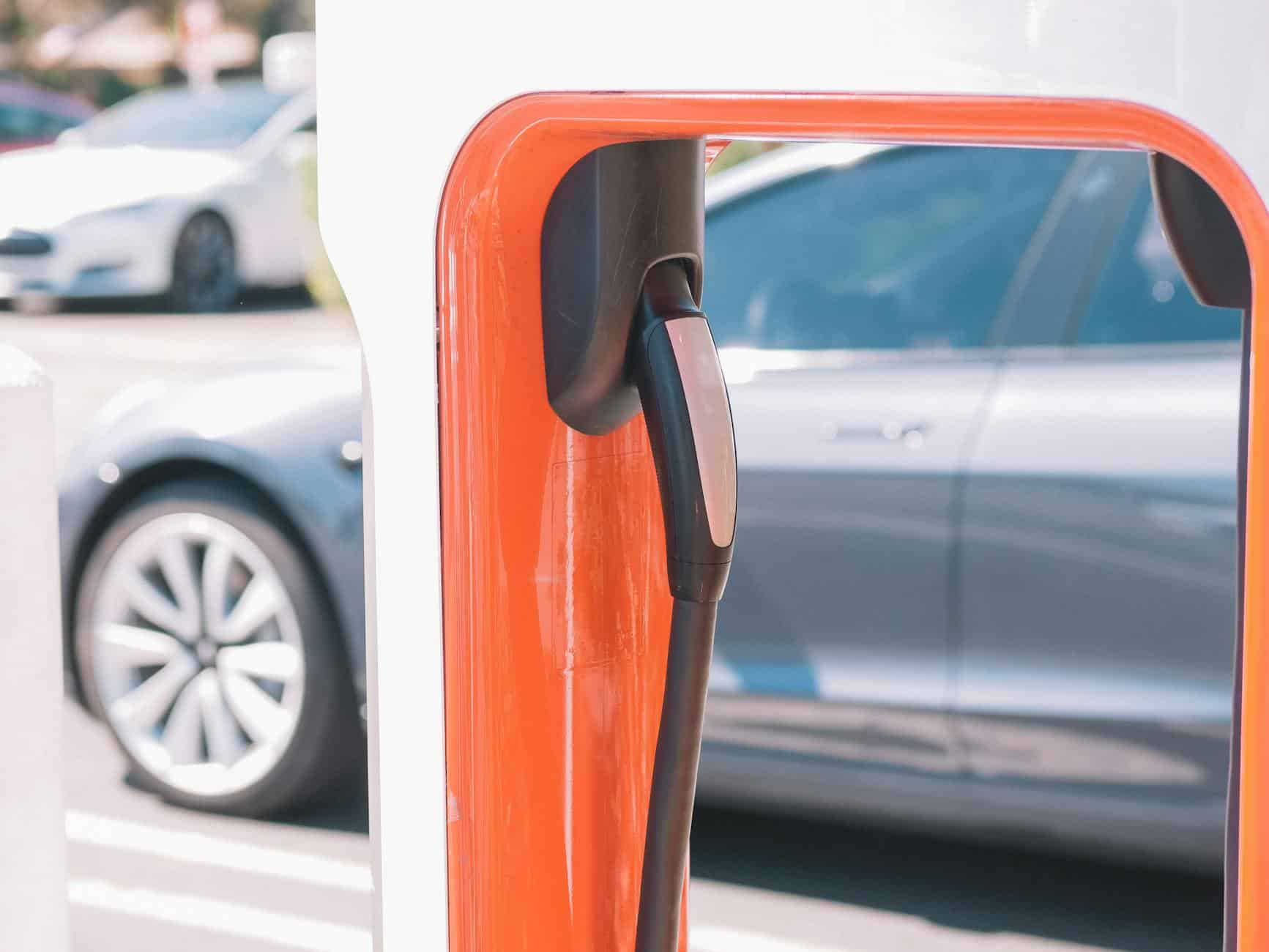
Switzerland’s Federal Council intends to tax electric cars from 2030 to make up for shrinking fuel-tax revenues, reported SRF.

Two models are on the table: a levy per kilometre driven or a surcharge on the electricity used to charge vehicles. Either would require a constitutional amendment, meaning approval from both voters and cantons.

The logic is straightforward. Roads in Switzerland are funded entirely by users. The main source of cash is the mineral-oil tax, which feeds the National Road and Agglomeration Transport Fund and other pots. Roughly half of the levy also tops up the federal budget. As petrol and diesel sales dwindle, so too does the flow of money. Electric-vehicle owners, who currently pay no mineral-oil tax, enjoy the roads largely for free.

Under the mileage-based option, drivers would pay according to distance, with higher rates for heavier vehicles. Under the electricity-based one, the tax would be added to charging bills, at both public and private stations. Either way, the aim is to mimic the contribution now made through petrol and diesel taxes. Both models have their challenges. Not all miles are driven on Swiss roads and special equipment would need to be installed to monitor vehicle charging. There is also the question of hybrids. Would their users be charged? Would they be charged at lower rates per kilometre or at the same rate as fully electric vehicles?

Some supporters of vehicle electrification argue the announcement will create a significant head wind for the electrification of Switzerland’s vehicle fleet. A pending tax is a disincentive to buy an electric vehicle at a time when adoption is slowing.

At the end of 2024 Switzerland had 2.9 million petrol cars, 1.2 million diesels, 360,000 hybrids and just over 200,000 battery-electrics. Plug-in hybrids numbered around 100,000. The direction of travel is clear: the share of electric cars is rising.

A consultation on the two schemes will run until January 9th 2026. If voters assent to the constitutional change, Switzerland’s electric motorists will soon start paying more than the do today.

More on this:
SRF article (in German)

For more stories like this on Switzerland follow us on Facebook and Twitter.

Share. Facebook Twitter Pinterest LinkedIn Tumblr Email

Keep Reading

Swiss exports reach a record high in 2025

Swiss government confirms US tariff deal

Switzerland’s last commuter paper prints its final edition

Trump announces drug price deal with Novartis and Roche subsidiary

Trump sets deadline to conclude binding trade agreement with Switzerland

Switzerland’s median salary surpasses CHF 7,000 a month

Corruption complaint filed against Swiss executives over gifts to Trump

Swiss aircraft maker regains duty-free access to the US market

Switzerland wins deal to cut US tariffs from 39% 15%

Editors Picks

Upcoming Swiss votes: one tight race, three clearer outcomes

30 January 2026

How some Swiss struggle to integrate in Switzerland

30 January 2026

Swiss party seeks cap on primary school pupils not speaking language of instruction

30 January 2026

Swiss exports reach a record high in 2025

30 January 2026
Latest Posts

Upcoming Swiss votes: one tight race, three clearer outcomes

30 January 2026

How some Swiss struggle to integrate in Switzerland

30 January 2026

Swiss party seeks cap on primary school pupils not speaking language of instruction

30 January 2026
Facebook X (Twitter) Pinterest TikTok Instagram
© 2026 Switzerland Times. All Rights Reserved.
  • Privacy Policy
  • Terms
  • Advertise
  • Contact

Type above and press Enter to search. Press Esc to cancel.