
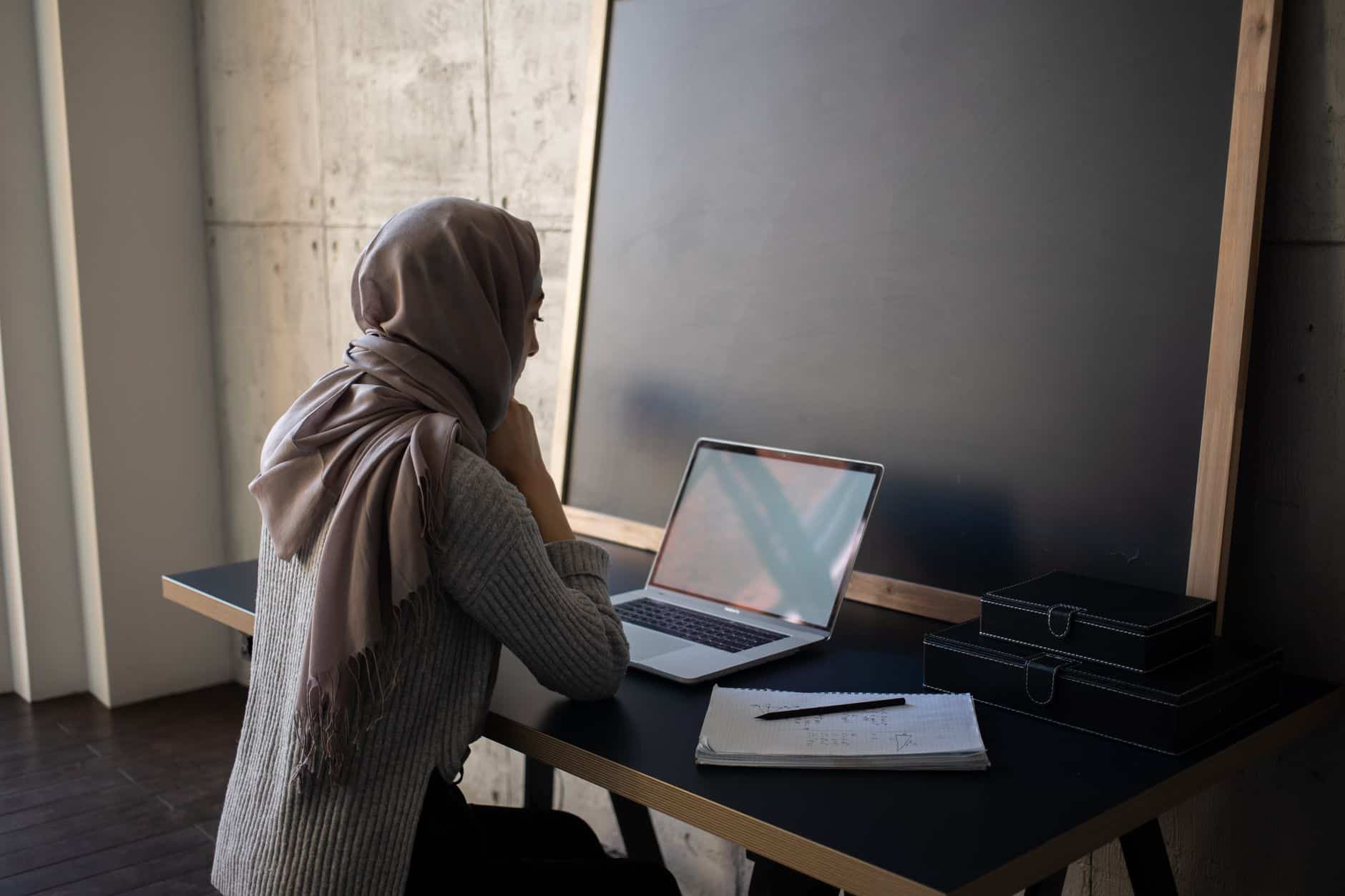
Teachers in the Swiss canton of St Gallen will soon be barred from wearing religious symbols in the classroom, after the cantonal parliament approved a motion introducing a canton-wide ban, reported SRF.
The proposal passed by 70 votes to 46 after a lengthy and emotionally charged debate. Lawmakers also voted narrowly, by 59 to 54, to extend the ban beyond primary schools to secondary and vocational institutions. The cantonal government must now draft amendments covering all public schools.
The measure was prompted by a dispute in Eschenbach, a municipality in St Gallen, where parents objected in 2025 to a teacher who wished to wear a headscarf while teaching. The school eventually declined to finalise her employment contract.
The case had roots in an earlier dispute during the 2020-21 school year, when a Muslim teacher wore a headscarf in class. School authorities argued that the practice breached the principle of religious neutrality and chose not to renew her contract. The teacher challenged the decision in court but lost. Authorities ruled that teachers, as representatives of the state, were bound by stricter standards of neutrality.
The controversy ignited a broader debate in the canton over religious freedom and the secular character of public education.
Political divisions cut across party lines. Many lawmakers struggled to define precisely which symbols or items of clothing would fall under the proposed ban.
Some warned that Christian traditions might also come under scrutiny. Franziska Steiner-Kaufmann, the group leader, asked whether schools would eventually stop celebrating Easter and Advent in favour of more secular sounding celebrations.
Others backed a strict separation of religion and state schools; others argued that the measure disproportionately targeted Muslim women. Monika Simmler, a Socialist, said supporters viewed the ban as a defence of denominational neutrality, while opponents saw it as political opportunism.
Sascha Schmid, from the Swiss People’s Party (UDC/SVP), argued that religious symbols such as the Islamic headscarf were incompatible with Swiss values.
The government had originally proposed limiting the ban to compulsory primary education. Parliament opted for a broader approach, requiring legislation for all public schools, including upper secondary and vocational institutions. The government now has three years to produce a draft law, which will return to parliament for approval.
Switzerland has long favoured integration over multiculturalism, expecting newcomers to adapt to local norms and civic traditions rather than maintain separate communal identities. This approach is particularly visible in attitudes towards religion in public life. Several cantons, notably Geneva, interpret state neutrality strictly and place strong emphasis on secularism in public institutions. Geneva’s constitution formally enshrines laïcité, limiting the visibility of religion in state functions and schools.
Across Switzerland, debates over headscarves, minarets and religious symbols often reflect a broader belief that public space should remain politically and religiously neutral, both to preserve social cohesion and to avoid importing sectarian tensions.
This preference for integration into a common civic culture can also be seen in Swiss naturalisation rules, which have long emphasised local assimilation, language proficiency and participation in communal life.
More on this:
SRF article (in German)
For more stories like this on Switzerland follow us on Facebook and Twitter.