
Close Menu
  • Home
  • Politics
  • Business & Economy
  • Education
  • Environment
  • Immigration
  • Technology
  • Automotive
  • Things To Do
  • More
    • Web Stories
    • Global
    • Press Release
What's On

Swiss Green Liberals target fuel-tax break for piste groomers

9 January 2026

Swiss town marks its move from Bern to Jura

2 January 2026

Switzerland’s last commuter paper prints its final edition

26 December 2025

Swiss People’s Party seeks tougher language rules for citizenship

26 December 2025

Swiss to vote on accession to UN nuclear-ban treaty

25 December 2025
Facebook X (Twitter) Instagram
Web Stories
Switzerland Times
  • Home
  • Politics
  • Business & Economy
  • Education
  • Environment
  • Immigration
  • Technology
  • Automotive
  • Things To Do
  • More
    • Web Stories
    • Global
    • Press Release
Home » High fire risk in some parts of Switzerland
Environment

High fire risk in some parts of Switzerland

By switzerlandtimes.ch27 June 20252 Mins Read
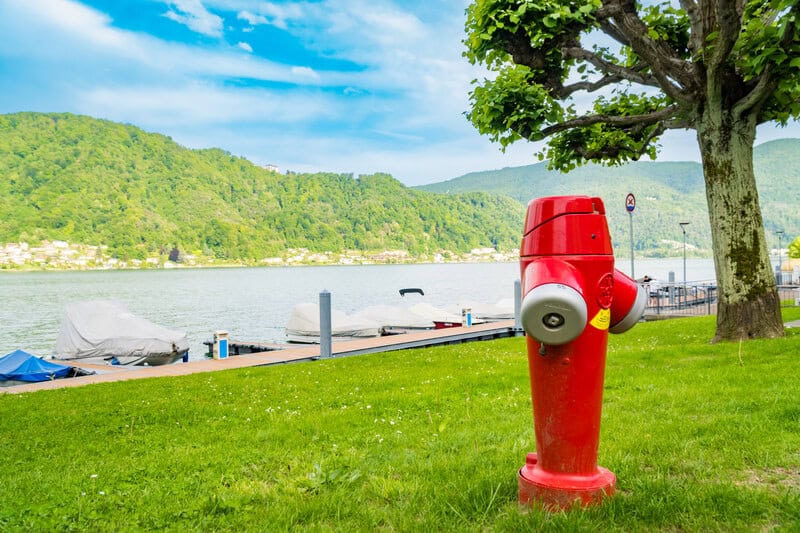
High fire risk in some parts of Switzerland
Share
Facebook Twitter LinkedIn Pinterest Email

Switzerland faces rising wildfire risk and authorities are restricting water use as drought grips parts of the country, reported the Natural Hazards Portal.

Several regions in Switzerland have raised their forest fire alert to “considerable” danger and “high” danger, the third and fourth levels on a five-point scale, amid increasingly dry conditions and falling water levels. The cantons of Thurgau, Schaffhausen, Basel, Bern, Geneva, Ticino and parts of Valais and Jura are now affected, according to the federal natural hazards portal. Certain regions of Valais are classified as “high” danger – see map below.

Authorities are urging extreme caution with open flames in and around forests. Fires should only be lit in designated, fixed fire pits, and unnecessary ignition sources avoided entirely.

In Thurgau, the drought has prompted further action. Beginning Friday, water extraction from streams will be banned, as levels in rivers, lakes and tributaries have dropped significantly due to a lack of rainfall. The canton described the water situation in a statement as “very low.”

Exceptions have been made for larger bodies of water, including Lake Constance, the Rhine, and the lakes of Hüttwil and Nussbaum. Groundwater and spring water extractions remain permitted. The restrictions will affect roughly 13% of the water typically allocated for agricultural use during dry periods, the canton said.

With conditions unlikely to improve in the short term, more cantons may soon follow suit.

More on this:
Natural hazards portal (in French) – Take a 5 minute French test now

For more stories like this on Switzerland follow us on Facebook and Twitter.

Share. Facebook Twitter Pinterest LinkedIn Tumblr Email

Keep Reading

Swiss Green Liberals target fuel-tax break for piste groomers

Swiss to vote on accession to UN nuclear-ban treaty

Switzerland could feed the entire population without food imports

Switzerland plans to expand roadside noise radars

Swiss solar initiative clears signature hurdle

Switzerland’s parliament moves to ban firecrackers

Swiss parliament scraps funding for the Basel–Malmö night train

Cuts in Swiss bureaucracy could save 30 billion a year

Winter tyres: a cold-weather essential

Editors Picks

Swiss Green Liberals target fuel-tax break for piste groomers

9 January 2026

Swiss town marks its move from Bern to Jura

2 January 2026

Switzerland’s last commuter paper prints its final edition

26 December 2025

Swiss People’s Party seeks tougher language rules for citizenship

26 December 2025
Latest Posts

Swiss Green Liberals target fuel-tax break for piste groomers

9 January 2026

Swiss town marks its move from Bern to Jura

2 January 2026

Switzerland’s last commuter paper prints its final edition

26 December 2025
Facebook X (Twitter) Pinterest TikTok Instagram
© 2026 Switzerland Times. All Rights Reserved.
  • Privacy Policy
  • Terms
  • Advertise
  • Contact

Type above and press Enter to search. Press Esc to cancel.