
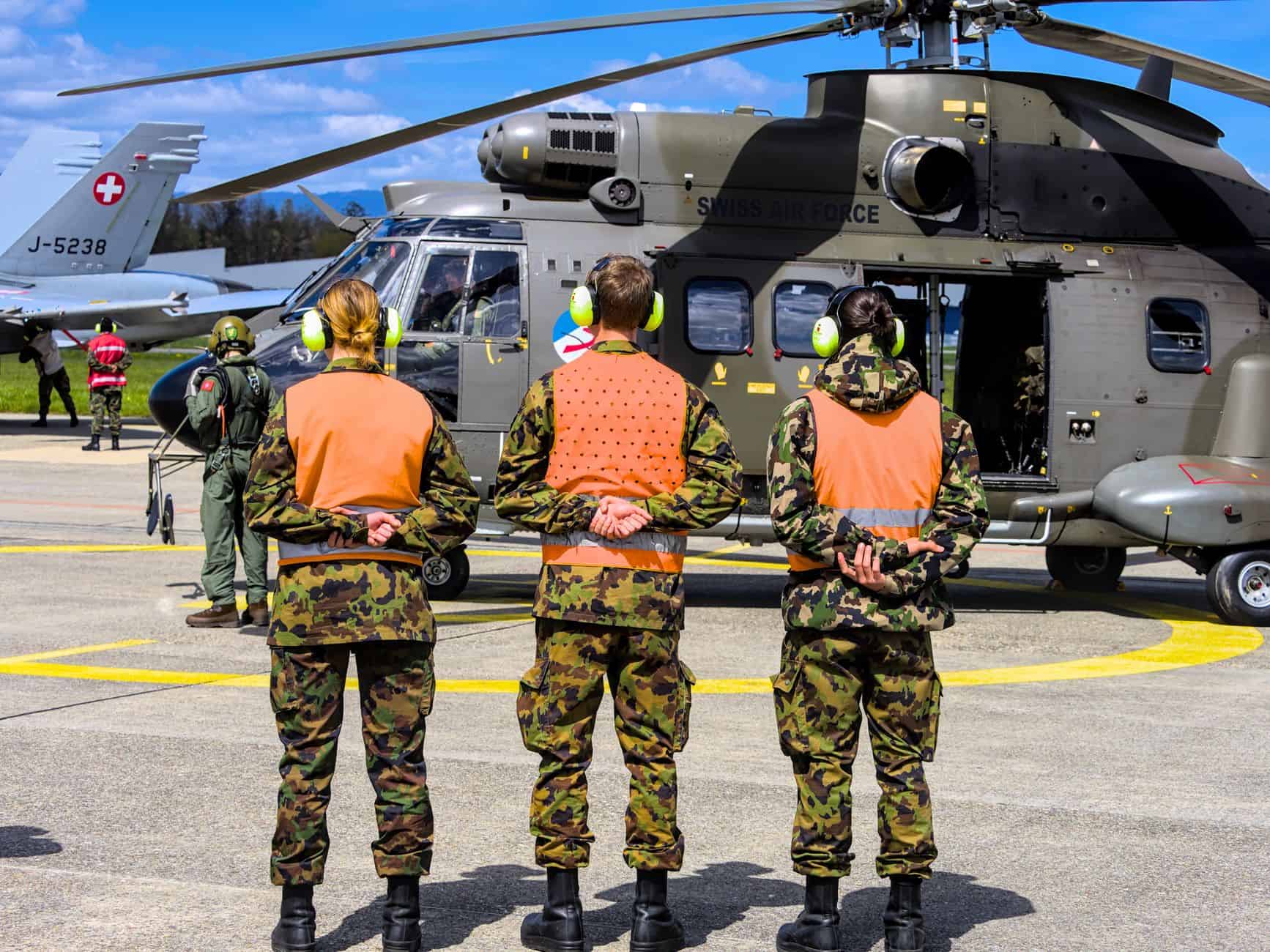
Switzerland’s peculiar compromise between military obligation and individual conscience is once again under scrutiny. On June 14th Swiss voters will decide whether to tighten the rules governing civilian service, the alternative available to those unwilling to perform military duties. The proposed reform, backed by both the federal government and parliament, aims to reduce the number of soldiers abandoning the armed forces for civilian assignments late in their military careers. Opponents argue that the measures are punitive, unnecessary and potentially harmful to the social institutions that rely on civilian labour.
Switzerland’s militia army rests on compulsory military service for able-bodied men with Swiss citizenship. Women may volunteer, but are not conscripted. The country recently reaffirmed that distinction decisively. In November 2025 voters rejected, by more than 84%, a proposal to extend compulsory national service to women. Opponents argued not only that compulsory service for women was politically undesirable, but also that removing large numbers of women from the civilian workforce would worsen labour shortages in sectors already under strain, including healthcare and social care. The episode revealed the delicate balancing act underlying Switzerland’s system of national service: the country must maintain both military readiness and a functioning economy.
Since 1996 conscientious objectors have been permitted to undertake civilian service instead of military duties. Originally, applicants had to persuade a review panel that their moral objections to military service were genuine. In 2009 that hurdle was removed. Instead, conscientious objectors demonstrate their sincerity by completing civilian service lasting one-and-a-half times the duration of their remaining military obligation.
The reform now before voters reflects official concern that the balance has shifted too far. Policymakers worry that civilian service has become less an expression of conscience than a convenient escape route from military life. The government is particularly troubled by soldiers who transfer after completing much of their army service, leaving them with relatively few additional days to perform in civilian roles. Ministers argue that this weakens military readiness while creating unfair disparities between soldiers and civilian-service workers.
The proposed law would therefore impose a minimum of 150 days of civilian service for all participants, regardless of how much military service they have already completed. It would also tighten rules governing how quickly assignments must be arranged and completed. The intention is clear: civilian service should remain an exception rather than an attractive alternative.
Supporters frame the proposal as a modest correction. Switzerland’s armed forces, like many European militaries, face growing pressure as security concerns return to the continent. Russia’s invasion of Ukraine has revived debates about defence preparedness even in traditionally neutral states. Swiss conservatives argue that maintaining adequate troop numbers matters more than ever. If civilian service becomes too easy or too advantageous, they contend, the army risks gradual erosion.
Critics see matters differently. A referendum committee forced the issue to a public vote, warning that stricter rules could sharply reduce the number of civilian workers available to hospitals, care homes and environmental projects. Civilian-service participants have become an important source of labour in sectors already struggling with staff shortages. Opponents also suspect ideological motives. To them, the reform is not merely administrative housekeeping but the first step towards weakening, or eventually abolishing, civilian service altogether.
The debate exposes a broader tension within Swiss society. The country prides itself both on civic obligation and on respect for individual conscience. Civilian service embodies an attempt to reconcile those principles. Yet compromises of this sort are inherently unstable. If the alternative becomes too demanding, conscientious objection risks becoming hollow in practice. If it becomes too attractive, military service risks appearing optional.
More on this:
Vote information from the government (in French) – Take a 5 minute French test now
For more stories like this on Switzerland follow us on Facebook and Twitter.