
Let’s be honest, keeping up with healthy eating when your schedule is packed feels like a second job. Between early mornings, long commutes, and the eternal question of “what’s for dinner?”, it’s no wonder so many of us in Switzerland are looking for smarter ways to eat well without spending hours in the kitchen.
Whether you’re a seasoned meal prepper, a food blog enthusiast hunting for your next recipe obsession, or someone who just wants wholesome food delivered to your door, this guide is for you. We’re breaking down the best strategies from local foodie inspiration to efficient prep hacks and the cleanest delivery options around Zurich.
Why Healthy Eating is Taking Over Switzerland
Something has shifted across Switzerland over the past few years. Walk into any grocery store in Zurich, Lausanne, or Bern and you’ll notice it: organic sections have doubled in size, plant-based options are everywhere, and people genuinely care about what goes onto their plates.
This isn’t just a trend, it’s a lifestyle shift. More Swiss residents are prioritizing balanced nutrition, local ingredients, and sustainability. The desire for convenience hasn’t disappeared, though. If anything, it’s grown stronger. People want to eat well and save time. That combination is exactly what’s driving the boom in meal prepping culture and healthy food delivery across the country.
And honestly? It makes perfect sense. Why sacrifice your health just because your calendar is full?
Finding Inspiration: Top Local Food Blogs
Before you even pick up a spatula, you need ideas. And Swiss food bloggers are an absolute goldmine of creativity. They’re sharing everything from hearty Alpine-inspired comfort food to vibrant vegan bowls all with that unmistakable Swiss attention to quality.
Take bloggers like Valeria from littlecity.ch, based near Zurich. She’s been sharing unique sweet and savoury creations since 2012, covering everything from traditional Swiss cuisine to oriental-inspired dishes. Her content including a YouTube channel with behind-the-scenes kitchen sessions proves that cooking at home can be both fun and approachable. Her “Ramen Burger” (a wild fusion of Chinese noodles, burgers, and Asian sauce) is the kind of recipe that makes you want to run to the kitchen immediately.
Then there are vegan-focused creators like Alex, a trained plant-based cook who studied Culinary Arts in Los Angeles before returning to Switzerland. Her LEAN & STRONG clean eating programs deliver fresh vegan meals straight to your home for five days showing that wholesome, plant-forward eating doesn’t mean sacrificing flavour.
The takeaway? Follow local food blogs. They’ll spark ideas you’d never find scrolling through generic recipe sites, and they understand the Swiss palate and ingredient availability better than anyone.
The Basics of Efficient Meal Prepping
Meal prep or as your grandmother might call it, pre-cooking is one of the most effective ways to take control of your nutrition. The concept is straightforward: dedicate a few hours on one day to prepare meals for the rest of the week.
Here’s why so many people swear by it:
- You know exactly what’s in your food. No mystery ingredients, no hidden sugars, no surprises.
- You save serious time during the week. Imagine not having to think about lunch on a hectic Tuesday.
- You stick to your nutrition goals. When the food is already ready, you’re far less likely to grab something unhealthy out of desperation.
But here’s the reality check: meal prep takes planning and discipline. You need to shop ahead, carve out cooking time, and have enough containers (and fridge space!) to store everything. If you’re just starting out, don’t try to prep seven days at once. Start with three days. Get comfortable with the rhythm before scaling up.
Aim for balanced portions: roughly 50% complex carbohydrates, 30% healthy fats, and 20% protein. This keeps your energy steady and your body properly fuelled.
Golden Rules for Keeping Your Food Fresh
Nothing ruins the meal prep experience faster than opening a container on Wednesday and realizing something has gone off. Follow these rules to keep everything safe and delicious from The Lunch Club:
- Eat fresh salads and crisp vegetables first (Monday and Tuesday). They lose their texture quickly — and always store dressings separately to avoid soggy leaves.
- Be careful with spinach, fennel, and beetroot. These contain nitrate that can convert into harmful nitrite if stored too long. Eat them within a day or two.
- Save stews, cooked grains, and hearty dishes for mid-week. Rice with stir-fried vegetables and tofu keeps well in the fridge for up to three days. Pro tip: cook grains al dente so they don’t turn mushy when reheated.
- Let food cool completely before sealing containers. Trapping condensation creates a breeding ground for bacteria. But don’t leave it out for hours either — aim for that sweet spot.
- Freeze anything you won’t eat within 3–4 days. Defrost in the fridge or microwave — never at room temperature.
- Store components separately. Sauce in one container, grains in another. Combine them only when you’re ready to eat. This preserves flavour and texture.
No Time to Cook? The Rise of Clean Food Delivery
Here’s the thing about meal prep: it works brilliantly — if you have the time. But what about those weeks where even Sunday is swallowed by deadlines, family obligations, or the simple need to rest?
That’s where clean food delivery services come in, and they’ve exploded across Switzerland for good reason. The concept is simple: chef-prepared, balanced meals arrive at your door, ready to eat in minutes. No shopping, no cooking, no pile of dishes in the sink.
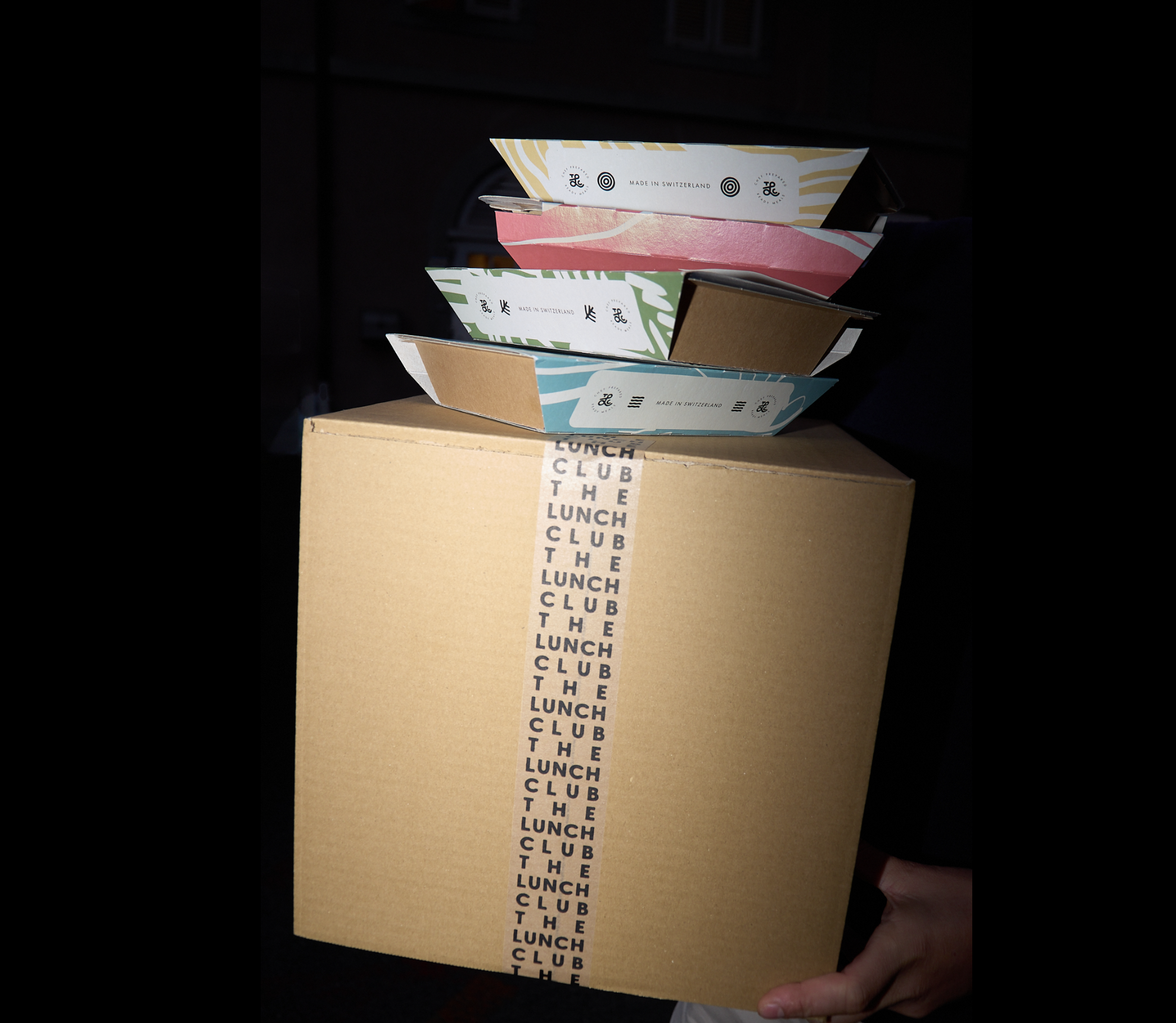
Services like The Lunch Club have nailed this model. Their chefs prepare fresh meals weekly in Lausanne using local, Swiss ingredients. Each dish comes in generous ~450g portions with around 30g of protein, and you can reheat everything in just 3 minutes. Meals are delivered every Tuesday in 100% recyclable insulated boxes and stay fresh in the fridge for up to a week or in the freezer for up to three months.
What really sets this apart from generic takeout? Transparency and quality. You’re not getting reheated fast food. You’re getting the kind of food you’d cook yourself on your best day except someone else did the work. You can browse the weekly menu and build your own selection of dishes, choosing between a one-time order or a flexible subscription with no commitment.