
Close Menu
  • Home
  • Politics
  • Business & Economy
  • Education
  • Environment
  • Immigration
  • Technology
  • Automotive
  • Things To Do
  • More
    • Web Stories
    • Global
    • Press Release
What's On

Upcoming Swiss votes: one tight race, three clearer outcomes

30 January 2026

How some Swiss struggle to integrate in Switzerland

30 January 2026

Swiss party seeks cap on primary school pupils not speaking language of instruction

30 January 2026

Swiss exports reach a record high in 2025

30 January 2026

Swiss government plans VAT hike for military spending

30 January 2026
Facebook X (Twitter) Instagram
Web Stories
Switzerland Times
  • Home
  • Politics
  • Business & Economy
  • Education
  • Environment
  • Immigration
  • Technology
  • Automotive
  • Things To Do
  • More
    • Web Stories
    • Global
    • Press Release
Home » A look back at Swiss resistance to seat belt laws
Education

A look back at Swiss resistance to seat belt laws

By switzerlandtimes.ch23 August 20242 Mins Read
A look back at Swiss resistance to seat belt laws
Share
Facebook Twitter LinkedIn Pinterest Email

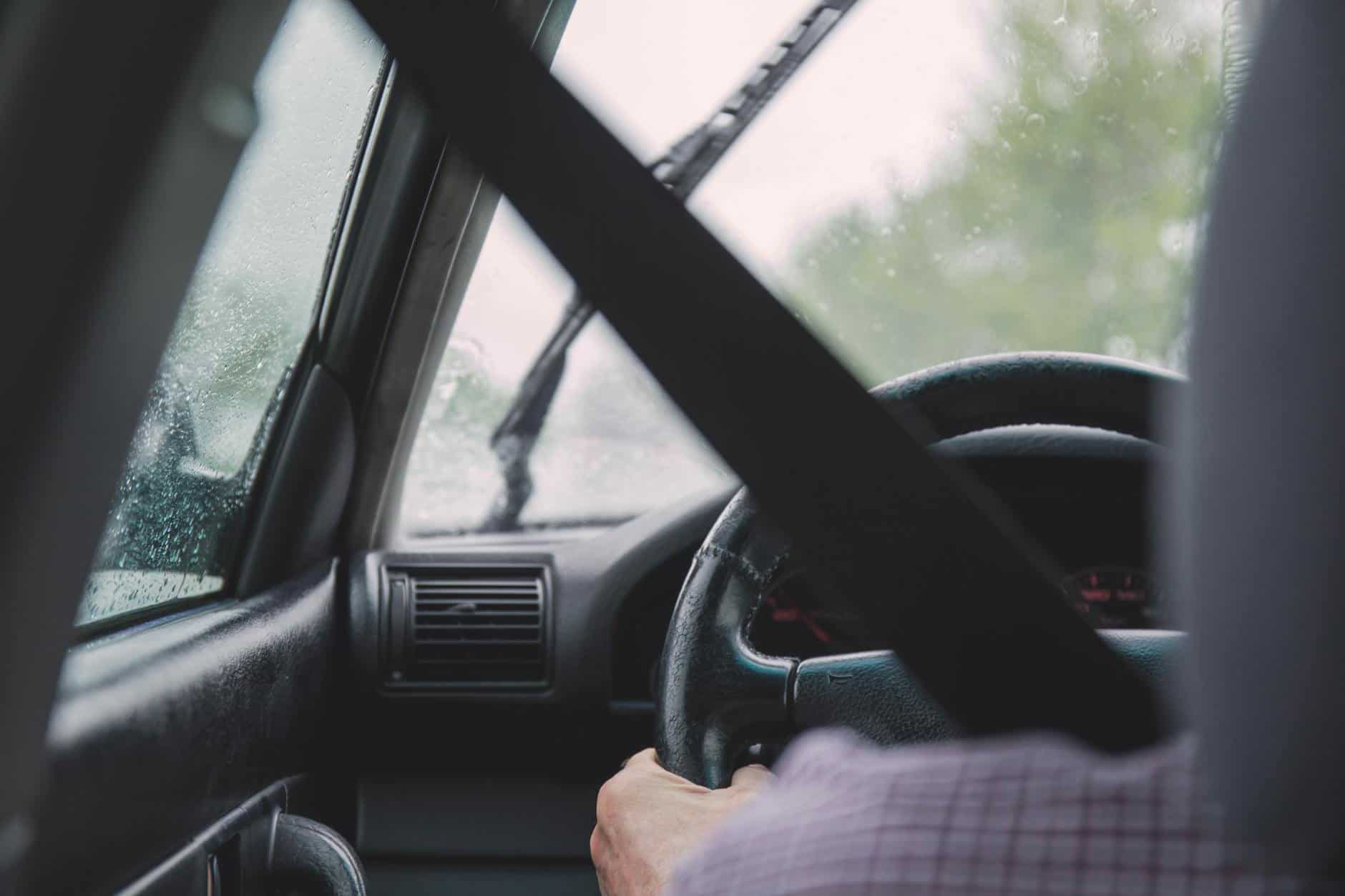
Thirty years ago, Switzerland introduced rules making it compulsory to wear seatbelts in any seat where seatbelts are fitted. This made wearing seatbelts in rear seats compulsory for the first time, reported RTS.

Adding a requirement to wear rear seatbelts was met with little resistance. However, in 1980 when a referendum was run on whether to make wearing seat belts compulsory in Switzerland, 48.4% of voters were against the idea. And in July 1981, when the rules were introduced, compliance with the new law was comparatively low when compared to today.

On 30 November 1980, 51.6% of the nation voted to make wearing seat belts in cars and wearing helmets on motorcycles compulsory. With a few exceptions, voters in German-speaking cantons were highly supportive, while those in Italian- and French-speaking cantons were firmly against compulsory seatbelt wearing. Vote results in the cantons of Zurich (71% in favour), Basel-City (75%), Schaffhausen (64%) Basel-Landeschaft (64%) and Saint-Gall (63%) were the most favourable. At the other end were Valais (86% against), Jura (85%), Ticino (82%), Geneva (82%), Neuchâtel (77%), Vaud (73%) and Fribourg (70%) with large majorities against the idea.

The main arguments against forcing people to wear seatbelts were centred on ensuring personal freedom regardless of the collective cost of dealing with accidents. In addition, the effectiveness of seatbelts was questioned by those against them. The federal government explanation and information on the vote can be viewed here.

Today, failure to wear a seatbelt can result in a fine of CHF 60 and more than 90% of people buckle up while on the road.

Between 2000 and 2023, rates of seatbelt wearing rose significantly. In 2000, only 77% of of drivers and 32% of rear seat passengers wore seatbelts. By 2023, these rates had risen to 96% and 92%.

Over the last 10 years, BPA, Switzerland’s accident protection agency, calculated that seatbelts have prevented more than 5,700 serious injuries and 650 deaths.

Data from Switzerland’s Federal Statistical Office (FSO) also support the efficacy of seatbelts. In 2023, 6.6% of those in accidents who were not wearing a seatbelt died, compared to 0.5% of those wearing a seatbelt. Injury figures showed the same pattern. 20.3% of those without seatbelts in accidents were seriously injured compared to 8% of those wearing seatbelts.

More on this:
RTS article (in French) – Take a 5 minute French test now

For more stories like this on Switzerland follow us on Facebook and Twitter.

Share. Facebook Twitter Pinterest LinkedIn Tumblr Email

Keep Reading

How some Swiss struggle to integrate in Switzerland

Swiss party seeks cap on primary school pupils not speaking language of instruction

Switzerland to tighten rules on military service for dual nationals

Swiss students rally against austerity fee hikes

Swiss school leader calls for social-media ban for minors

Swiss primary-school enrolment set to fall sharply by 2034

Swiss young adults are leaving home later

15% of Switzerland’s population struggles with literacy

Zurich court convicts pro-Palestinian activists of trespass

Editors Picks

Upcoming Swiss votes: one tight race, three clearer outcomes

30 January 2026

How some Swiss struggle to integrate in Switzerland

30 January 2026

Swiss party seeks cap on primary school pupils not speaking language of instruction

30 January 2026

Swiss exports reach a record high in 2025

30 January 2026
Latest Posts

Upcoming Swiss votes: one tight race, three clearer outcomes

30 January 2026

How some Swiss struggle to integrate in Switzerland

30 January 2026

Swiss party seeks cap on primary school pupils not speaking language of instruction

30 January 2026
Facebook X (Twitter) Pinterest TikTok Instagram
© 2026 Switzerland Times. All Rights Reserved.
  • Privacy Policy
  • Terms
  • Advertise
  • Contact

Type above and press Enter to search. Press Esc to cancel.