
Close Menu
  • Home
  • Politics
  • Business & Economy
  • Education
  • Environment
  • Immigration
  • Technology
  • Automotive
  • Things To Do
  • More
    • Web Stories
    • Global
    • Press Release
What's On

The people losing their homes in French-speaking Switzerland

2 May 2026

Swiss government waters down nursing reforms

2 May 2026

New EU employment rules could be costly for Switzerland

1 May 2026

How too many livestock keep Switzerland from feeding itself

1 May 2026

Taxing flights to fund train vouchers

1 May 2026
Facebook X (Twitter) Instagram
Web Stories
Switzerland Times
  • Home
  • Politics
  • Business & Economy
  • Education
  • Environment
  • Immigration
  • Technology
  • Automotive
  • Things To Do
  • More
    • Web Stories
    • Global
    • Press Release
Home » Swiss inflation falls further in January
Business & Economy

Swiss inflation falls further in January

By switzerlandtimes.ch31 March 20252 Mins Read
Swiss inflation falls further in January
Share
Facebook Twitter LinkedIn Pinterest Email

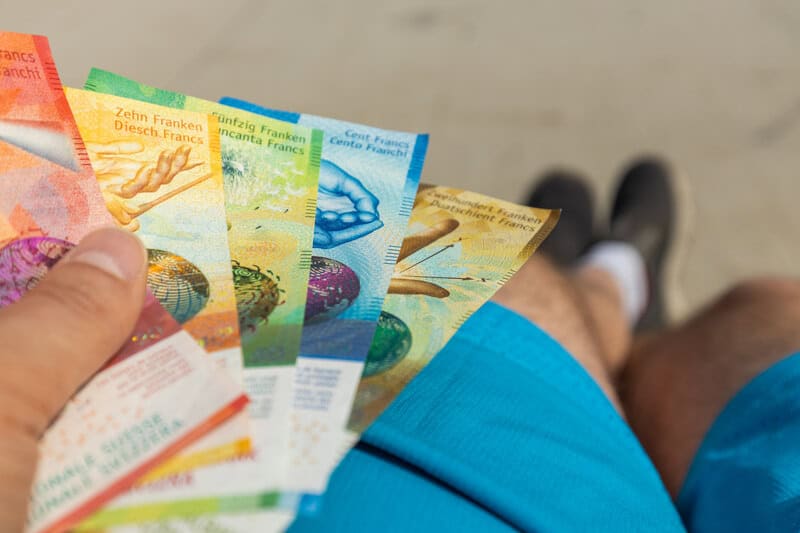
Switzerland’s consumer price index (CPI) fell by 0.1% in January 2025. Across 12 months inflation was +0.4%, reported the Federal Statistical Office (FSO). Annual inflation at the end of January 2025 is the lowest it has been since April 2021 when it was +0.3%.

While many nations, such as the UK and the US, are struggling to rein in inflation, Switzerland is going against the grain.

In the US annual inflation rose to 3% at the end of January 2025 and in the UK it reached 3.9%, the highest it has been in 10 months.

Even in Japan, where inflation has long been largely absent, prices are rising. Inflation data released on Friday showed core prices in Japan were up 3.2% across the last 12 months.

After climbing to a peak of 3.5% in August 2022, Swiss inflation has followed a bumpy path down to 0.4%. With the Swiss National Bank’s policy interest rate at 0.5% and the yield on government bonds at 0.577% real interest rates are currently positive.

Switzerland’s strong currency, driven in part by a positive trade balance, is one force helping to dampen inflation. A positive trade balance means more buying than selling of a nation’s currency.

More on this:
FSO inflation data (in French) – Take a 5 minute French test now

For more stories like this on Switzerland follow us on Facebook and Twitter.

Share. Facebook Twitter Pinterest LinkedIn Tumblr Email

Keep Reading

The people losing their homes in French-speaking Switzerland

Swiss exports weakest in 5 years

Swiss government wants more Sunday shopping

Swiss wages surge ahead of inflation

How Switzerland’s population has changed in 50 years

Switzerland uneasy about pressure from Washington over its monetary policy

Swiss consumer sentiment reaches lowest level in over a year

Swiss court rules that only dairy can be called “milk”

Switzerland halts new arms exports to America

Editors Picks

The people losing their homes in French-speaking Switzerland

2 May 2026

Swiss government waters down nursing reforms

2 May 2026

New EU employment rules could be costly for Switzerland

1 May 2026

How too many livestock keep Switzerland from feeding itself

1 May 2026
Latest Posts

The people losing their homes in French-speaking Switzerland

2 May 2026

Swiss government waters down nursing reforms

2 May 2026

New EU employment rules could be costly for Switzerland

1 May 2026
Facebook X (Twitter) Pinterest TikTok Instagram
© 2026 Switzerland Times. All Rights Reserved.
  • Privacy Policy
  • Terms
  • Advertise
  • Contact

Type above and press Enter to search. Press Esc to cancel.