
Close Menu
  • Home
  • Politics
  • Business & Economy
  • Education
  • Environment
  • Immigration
  • Technology
  • Automotive
  • Things To Do
  • More
    • Web Stories
    • Global
    • Press Release
What's On

Switzerland’s childhood-obesity problem stabilising for some

22 May 2026

Sharp rise in Swiss bankruptcies not what it seems

22 May 2026

Geneva to vote on shopping hours and secularism

22 May 2026

Swiss Rail to expand offer to Italy and France

22 May 2026

Aarush Garg Draws Attention at Legacy Private Capital Roundtable in Zurich

20 May 2026
Facebook X (Twitter) Instagram
Web Stories
Switzerland Times
  • Home
  • Politics
  • Business & Economy
  • Education
  • Environment
  • Immigration
  • Technology
  • Automotive
  • Things To Do
  • More
    • Web Stories
    • Global
    • Press Release
Home » Sterile tiger mosquitoes successfully released in Ticino
Environment

Sterile tiger mosquitoes successfully released in Ticino

By switzerlandtimes.ch18 July 20252 Mins Read
Sterile tiger mosquitoes successfully released in Ticino
Share
Facebook Twitter LinkedIn Pinterest Email

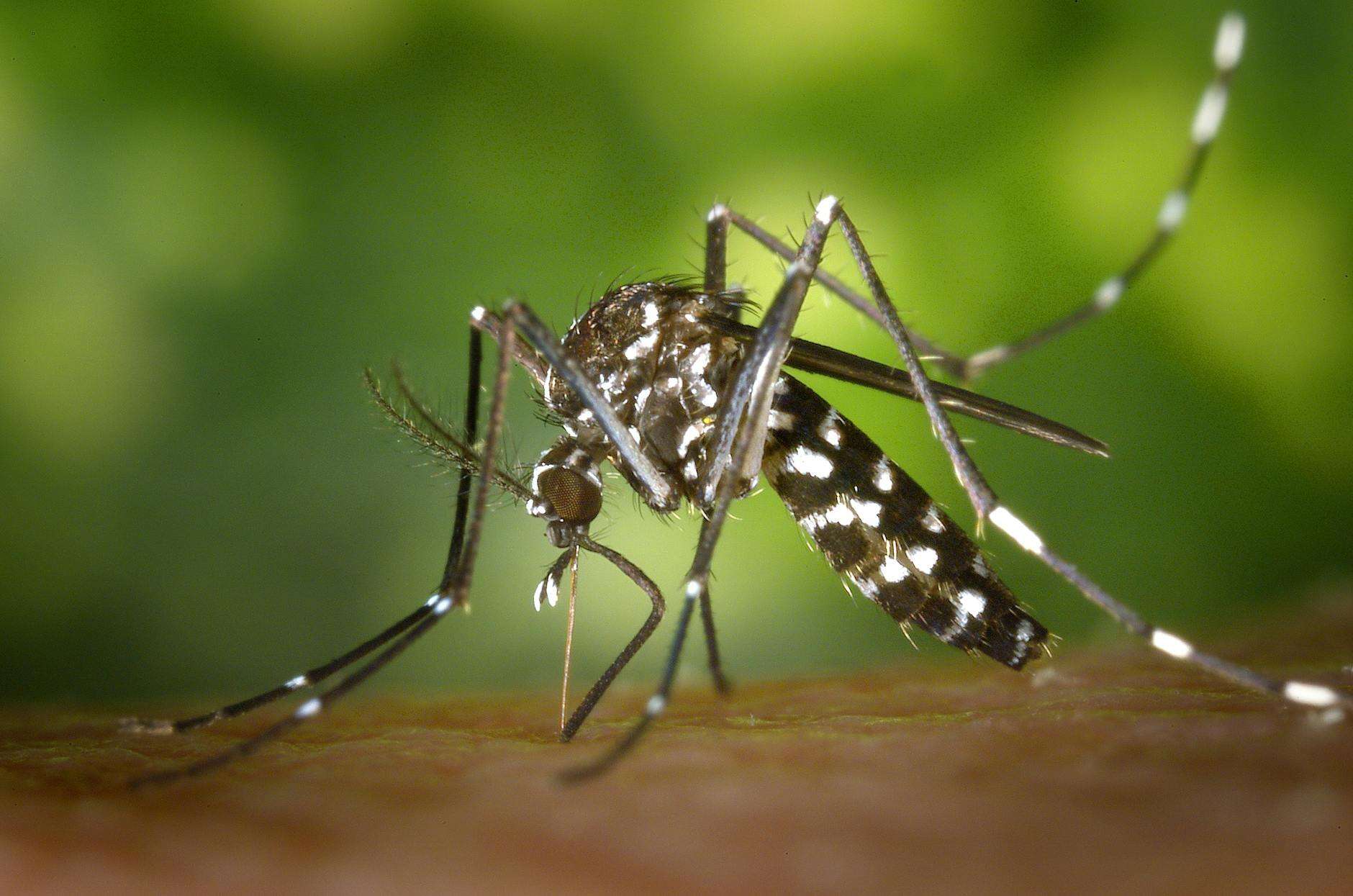
Ticino is testing an unusual weapon against an unwelcome visitor: the Asian tiger mosquito. The insect, which can spread dengue and chikungunya fever, is abundant in the canton. Local researchers are now deploying sterilised males to curb the population, reported SRF.

The method, first trialled in Morcote in 2024, proved highly effective, cutting mosquito numbers by over 90% in the isolated lakeside community. This year the project has expanded to more open areas, including a 12-hectare zone around a hotel complex and school in Losone in the canton of Ticino.

Field teams from the University of Applied Sciences and Arts of Southern Switzerland release sterilised males by the hundred from plastic containers. Once airborne, they seek out females. Mating produces unfertilised eggs, swiftly reducing breeding rates. More than half a million sterile insects are to be dispersed by the end of September.

Eleonora Flacio, the biologist leading the project, told SRF that mosquito numbers in Losone have already fallen by 40%. Her aim is to match, or even surpass, the Morcote results. If all goes well, the population could be driven to zero, she said. Similar trials are under way in nearby Ascona.

If successful, the technique could offer a scalable, chemical-free way to control an invasive species whose spread across southern Europe has become a growing public-health headache.

The Asian tiger mosquito originally came from Southeast Asia and has spread via trade. It has been adapting successfully to cooler, temperate regions, where it is now able to hibernates over winter ready to emerge in summer.

More on this:
SRF article (in German)

For more stories like this on Switzerland follow us on Facebook and Twitter.

Share. Facebook Twitter Pinterest LinkedIn Tumblr Email

Keep Reading

Swiss Rail to expand offer to Italy and France

Swiss nuclear plants could run for further 80 years

Swiss glaciers enter summer with unusually low snow cover

“Snow of May” – Swiss narcissus season in full bloom

How too many livestock keep Switzerland from feeding itself

Swiss commission backs construction of new nuclear power plants

Tick bites on the rise in Switzerland

Swiss emissions down by 27%

Above average number of avalanche victims this winter in Switzerland

Editors Picks

Switzerland’s childhood-obesity problem stabilising for some

22 May 2026

Sharp rise in Swiss bankruptcies not what it seems

22 May 2026

Geneva to vote on shopping hours and secularism

22 May 2026

Swiss Rail to expand offer to Italy and France

22 May 2026
Latest Posts

Switzerland’s childhood-obesity problem stabilising for some

22 May 2026

Sharp rise in Swiss bankruptcies not what it seems

22 May 2026

Geneva to vote on shopping hours and secularism

22 May 2026
Facebook X (Twitter) Pinterest TikTok Instagram
© 2026 Switzerland Times. All Rights Reserved.
  • Privacy Policy
  • Terms
  • Advertise
  • Contact

Type above and press Enter to search. Press Esc to cancel.