
Close Menu
  • Home
  • Politics
  • Business & Economy
  • Education
  • Environment
  • Immigration
  • Technology
  • Automotive
  • Things To Do
  • More
    • Web Stories
    • Global
    • Press Release
What's On

Aarush Garg Draws Attention at Legacy Private Capital Roundtable in Zurich

20 May 2026

Extra train capacity does little to relieve Gotthard tunnel queues

15 May 2026

Swiss nuclear plants could run for further 80 years

15 May 2026

Study calculates the high cost of 10 million population cap

15 May 2026

“No Switzerland of 10m people” initiative has driven campaign spending to record levels

15 May 2026
Facebook X (Twitter) Instagram
Web Stories
Switzerland Times
  • Home
  • Politics
  • Business & Economy
  • Education
  • Environment
  • Immigration
  • Technology
  • Automotive
  • Things To Do
  • More
    • Web Stories
    • Global
    • Press Release
Home » Tick bites on the rise in Switzerland
Environment

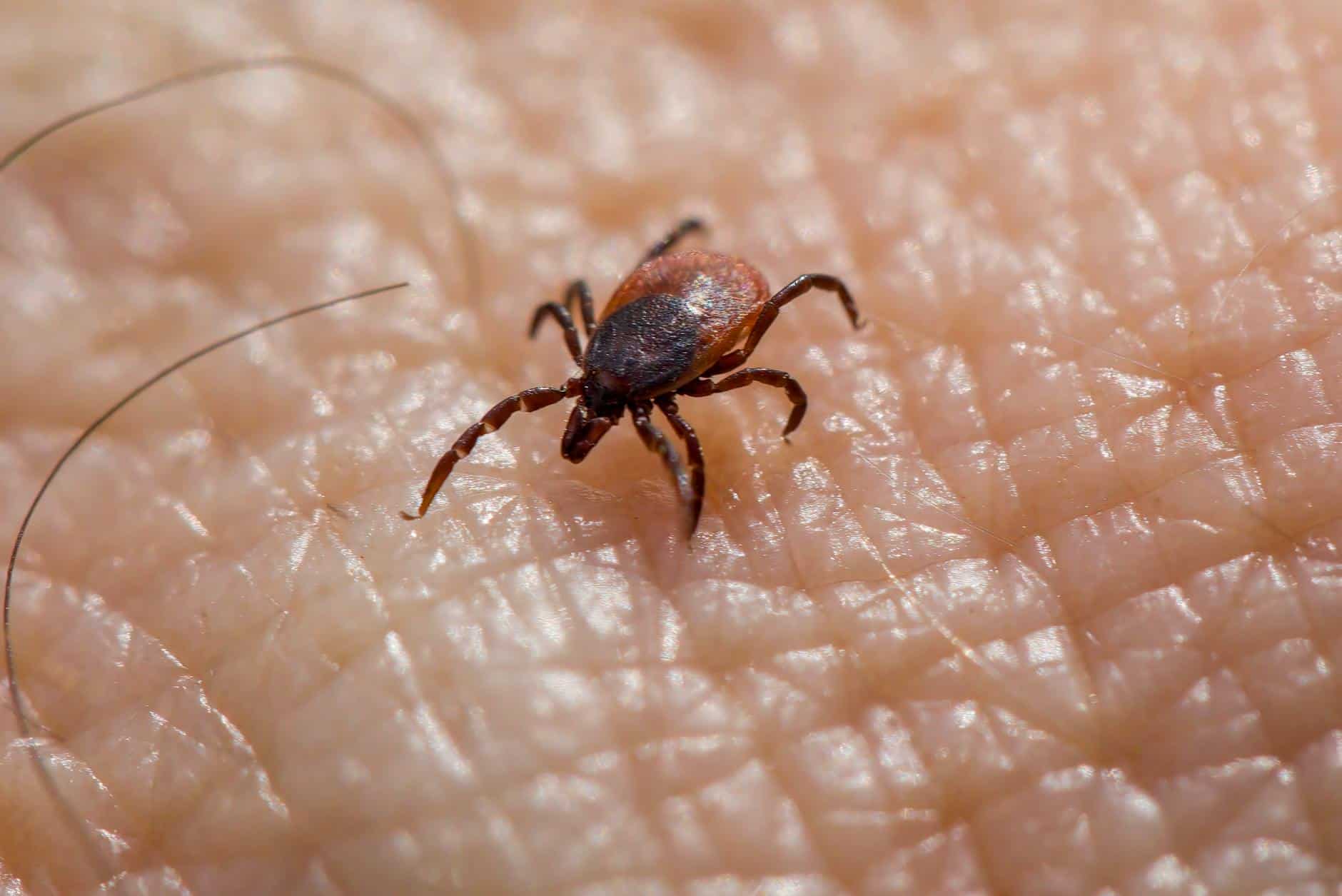
Tick bites on the rise in Switzerland

By switzerlandtimes.ch18 April 20262 Mins Read
Tick bites on the rise in Switzerland
Share
Facebook Twitter LinkedIn Pinterest Email

Tick bites are on the rise in Switzerland. Suva, the national accident insurance provider, estimates that nearly 18,000 cases were recorded in 2025, close to the peak seen in 2020 and well above the 9,000 reported annually in the mid-2000s. Between 2020 and 2024 the figure had already climbed to more than 14,000 a year. Under Swiss law, tick bites are classified as accidents, meaning treatment costs are covered by accident insurance.

Though often harmless, ticks can transmit diseases such as Lyme disease and tick-borne encephalitis (TBE). On average, around eight people a year receive disability pensions as a result of complications, and roughly one death occurs every five years. More than 90% of bites happen during leisure activities, particularly between May and July.

Early data suggest the trend is continuing. According to the Federal Office of Public Health, over 200 cases of Lyme disease and six of TBE were reported in January and February alone. Suva attributes the increase largely to climate change: milder temperatures are extending the ticks’ active season and aiding their spread, potentially making them a year-round hazard.

More on this:
Suva press release (in French) – Take a 5 minute French test now

For more stories like this on Switzerland follow us on Facebook and Twitter.

Share. Facebook Twitter Pinterest LinkedIn Tumblr Email

Keep Reading

Swiss nuclear plants could run for further 80 years

Swiss glaciers enter summer with unusually low snow cover

“Snow of May” – Swiss narcissus season in full bloom

How too many livestock keep Switzerland from feeding itself

Swiss commission backs construction of new nuclear power plants

Swiss emissions down by 27%

Above average number of avalanche victims this winter in Switzerland

Swiss court upholds ban on chemical chlorothalonil

Swiss parliament backs road tolls for transit traffic

Editors Picks

Aarush Garg Draws Attention at Legacy Private Capital Roundtable in Zurich

20 May 2026

Extra train capacity does little to relieve Gotthard tunnel queues

15 May 2026

Swiss nuclear plants could run for further 80 years

15 May 2026

Study calculates the high cost of 10 million population cap

15 May 2026
Latest Posts

Aarush Garg Draws Attention at Legacy Private Capital Roundtable in Zurich

20 May 2026

Extra train capacity does little to relieve Gotthard tunnel queues

15 May 2026

Swiss nuclear plants could run for further 80 years

15 May 2026
Facebook X (Twitter) Pinterest TikTok Instagram
© 2026 Switzerland Times. All Rights Reserved.
  • Privacy Policy
  • Terms
  • Advertise
  • Contact

Type above and press Enter to search. Press Esc to cancel.