
Close Menu
  • Home
  • Politics
  • Business & Economy
  • Education
  • Environment
  • Immigration
  • Technology
  • Automotive
  • Things To Do
  • More
    • Web Stories
    • Global
    • Press Release
What's On

Upcoming Swiss votes: one tight race, three clearer outcomes

30 January 2026

How some Swiss struggle to integrate in Switzerland

30 January 2026

Swiss party seeks cap on primary school pupils not speaking language of instruction

30 January 2026

Swiss exports reach a record high in 2025

30 January 2026

Swiss government plans VAT hike for military spending

30 January 2026
Facebook X (Twitter) Instagram
Web Stories
Switzerland Times
  • Home
  • Politics
  • Business & Economy
  • Education
  • Environment
  • Immigration
  • Technology
  • Automotive
  • Things To Do
  • More
    • Web Stories
    • Global
    • Press Release
Home » Fast fashion creating mountains of waste in Switzerland
Environment

Fast fashion creating mountains of waste in Switzerland

By switzerlandtimes.ch31 March 20252 Mins Read
Fast fashion creating mountains of waste in Switzerland
Share
Facebook Twitter LinkedIn Pinterest Email

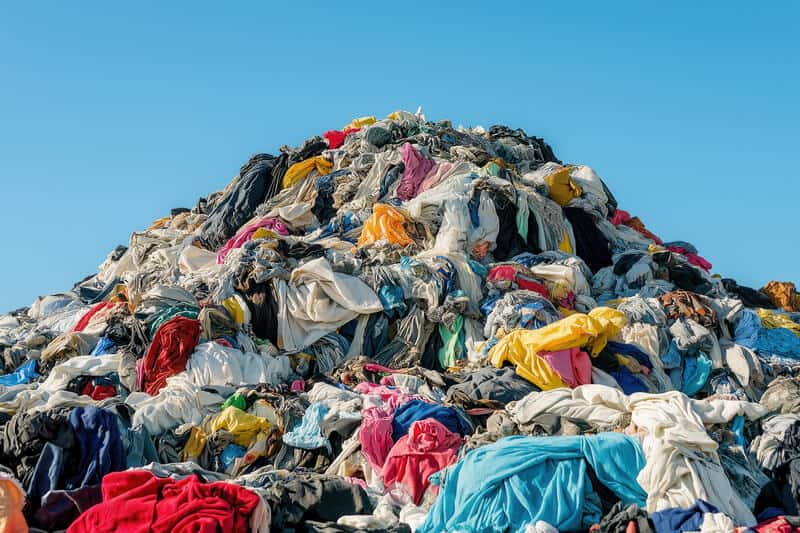
Switzerland generates around 110,000 tons of used clothing a year, reported SRF. Most of it is unwanted. Only 1 in 100 items finds a buyer, according to Sascha Sardella, the operations manager at Tell-Tex, one of Switzerland’s largest textile collection organisations. Second hand clothes can’t compete with cheap new clothes from China, he said.

Cheap fast fashion means more and more second hand clothes are either burned or end up in landfill, often in African nations.

What can be done to stem this waste and the environmental damage it does?

In 2026, extended producer responsibility will come into force in the EU. This will extend the responsibility of companies throughout the entire life cycle of their products. Responsibilities will include end-of-life management, including waste collection and recycling. It is hoped these rules will push companies to reduce waste. How exactly it will be implemented remains unclear. Companies in China sending products to Europe would need to invest in waste solutions in Europe. But how would that work?

Clothing is often a recycling nightmare. Mixed fibres are difficult to separate. Tell-Tex is currently building a new recycling plant costing roughly CHF 40 million with the aim of mending clothes, reusing them or processing them into fibres that can be used to make new clothing. However, it’s unclear whether the investment will pay off.

Recycling also has an environmental impact. It requires machinery, energy and produces its own waste and emissions. It was largely created and promoted by producers as a smoke screen for the alternative: less consumption of their waste producing products. For example, without recycling, encouraging people to cut the consumption of drinks in disposable containers in order to reduce waste would be an easier sell. In addition, recycling rates are often far lower than many companies would like consumers to believe. For example, in many Swiss municipalities Tetrapak containers are burned because they are too costly to recycle. A high percentage of packaging bearing recycling logos is burned.

Rules that encourage producers to make products more repairable would help. Airpods are an often cited product that frustrate owners with their lack of repairability. In the end probably the best fix is to buy less.

More on this:
SRF article (in German)

For more stories like this on Switzerland follow us on Facebook and Twitter.

Share. Facebook Twitter Pinterest LinkedIn Tumblr Email

Keep Reading

Swiss railways set a new punctuality record

Swiss left mobilises city voters to get night trains back on track

Swiss Green Liberals target fuel-tax break for piste groomers

Swiss to vote on accession to UN nuclear-ban treaty

Switzerland could feed the entire population without food imports

Switzerland plans to expand roadside noise radars

Swiss solar initiative clears signature hurdle

Switzerland’s parliament moves to ban firecrackers

Swiss parliament scraps funding for the Basel–Malmö night train

Editors Picks

Upcoming Swiss votes: one tight race, three clearer outcomes

30 January 2026

How some Swiss struggle to integrate in Switzerland

30 January 2026

Swiss party seeks cap on primary school pupils not speaking language of instruction

30 January 2026

Swiss exports reach a record high in 2025

30 January 2026
Latest Posts

Upcoming Swiss votes: one tight race, three clearer outcomes

30 January 2026

How some Swiss struggle to integrate in Switzerland

30 January 2026

Swiss party seeks cap on primary school pupils not speaking language of instruction

30 January 2026
Facebook X (Twitter) Pinterest TikTok Instagram
© 2026 Switzerland Times. All Rights Reserved.
  • Privacy Policy
  • Terms
  • Advertise
  • Contact

Type above and press Enter to search. Press Esc to cancel.