
Close Menu
  • Home
  • Politics
  • Business & Economy
  • Education
  • Environment
  • Immigration
  • Technology
  • Automotive
  • Things To Do
  • More
    • Web Stories
    • Global
    • Press Release
What's On

Swiss exports weakest in 5 years

24 April 2026

Swiss government wants more Sunday shopping

24 April 2026

Swiss commission backs construction of new nuclear power plants

24 April 2026

Swiss wages surge ahead of inflation

24 April 2026

The New Retail Culture: Milan Hosts an International Dialogue Redefining the Future of Retail

22 April 2026
Facebook X (Twitter) Instagram
Web Stories
Switzerland Times
  • Home
  • Politics
  • Business & Economy
  • Education
  • Environment
  • Immigration
  • Technology
  • Automotive
  • Things To Do
  • More
    • Web Stories
    • Global
    • Press Release
Home » Winter tyres: a cold-weather essential
Environment

Winter tyres: a cold-weather essential

By switzerlandtimes.ch22 November 20252 Mins Read
Winter tyres: a cold-weather essential
Share
Facebook Twitter LinkedIn Pinterest Email

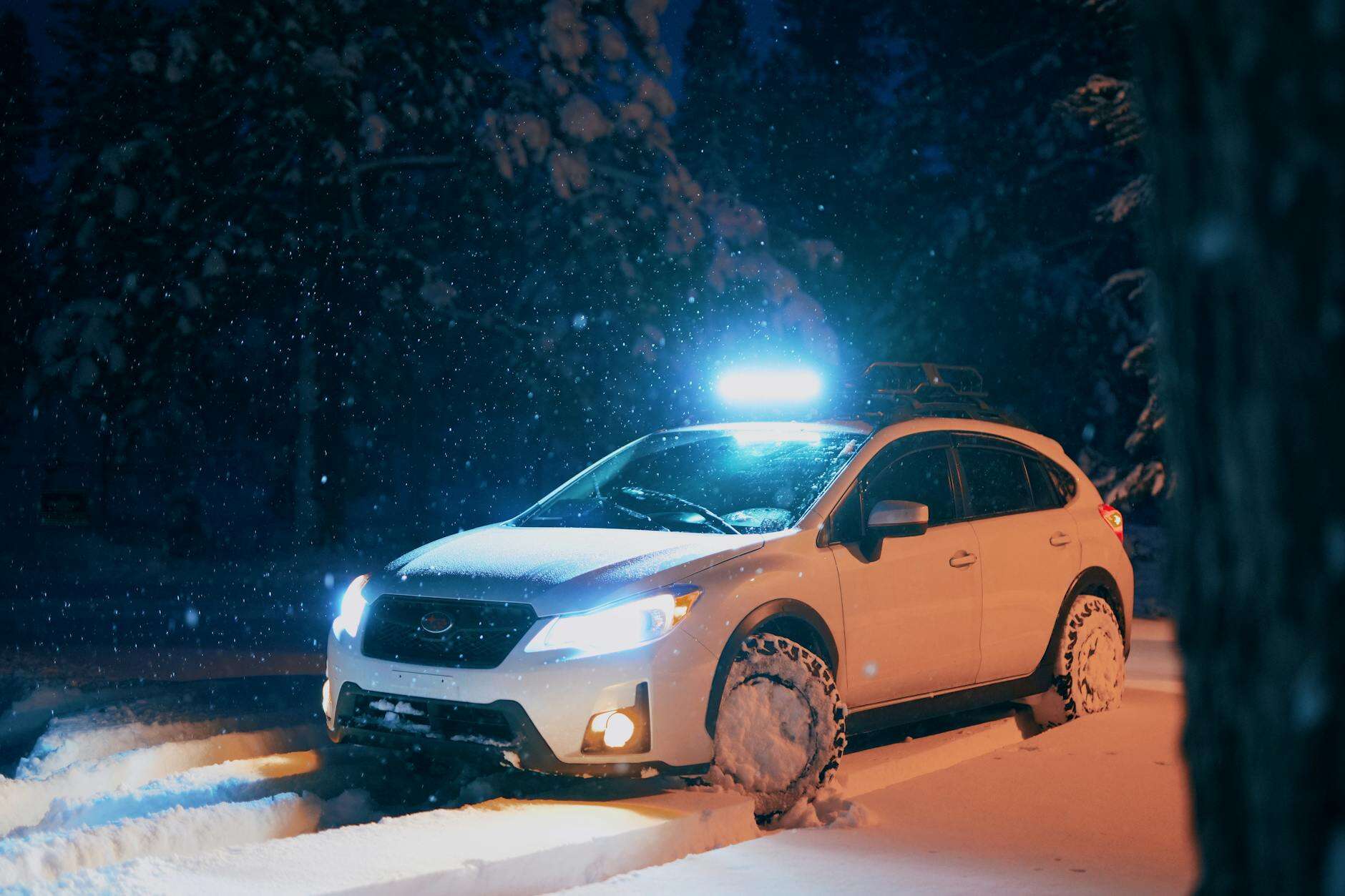
With snow reaching Switzerland’s plateau this week, some motorists may regret delaying the switch to winter tyres. The change need not wait for ice or flurries: the tyres are designed for cold conditions generally and work best when temperatures drop below 7°C.

Calling them snow tyres is misleading. Switzerland sometimes sees weeks of sub-zero temperatures without a single snowflake. Waiting for the first snowfall, is a poor strategy.

The consequences are well known. Summer tyres stiffen in cold weather, lengthening braking distances and reducing grip. It’s generally recommended to switch to winter tyres from October to Easter, regardless of the weather. Winter tyres have softer compounds and deeper tread patterns that stay pliable in the cold.

Switzerland imposes no legal obligation, but insurers may refuse cover if an accident is judged to result from inappropriate equipment. France requires winter tyres or chains in all mountain départements from 1 November to 31 March. Italy’s rules vary by region: most require winter tyres or chains from 15 November to 15 April, while Aosta starts on 15 October.

Keeping winter tyres on year-round is a false economy. They wear quickly in warm weather and lengthen braking distances in summer. All-season tyres have improved but remain a compromise: They cannot match winter tyres on ice or snow, nor summer tyres in heat.

Older tyres present another risk. After five or six years the rubber hardens even if the tread remains deep, reducing braking performance. The age of a tyre can be found by reading the DOT code stamped on its sidewall. The last four numbers show the date of manufacture.

For example: DOT 1A9B 3CJR 2619 is a tyre made on the 26th week of 2019.

For more stories like this on Switzerland follow us on Facebook and Twitter.

Share. Facebook Twitter Pinterest LinkedIn Tumblr Email

Keep Reading

Swiss commission backs construction of new nuclear power plants

Tick bites on the rise in Switzerland

Swiss emissions down by 27%

Above average number of avalanche victims this winter in Switzerland

Swiss court upholds ban on chemical chlorothalonil

Swiss parliament backs road tolls for transit traffic

Winter returns to Switzerland after early spring warmth

Henniez forced to avoid some water sources after filtration scandal

Swiss government rejects Greens’ solar initiative

Editors Picks

Swiss exports weakest in 5 years

24 April 2026

Swiss government wants more Sunday shopping

24 April 2026

Swiss commission backs construction of new nuclear power plants

24 April 2026

Swiss wages surge ahead of inflation

24 April 2026
Latest Posts

Swiss exports weakest in 5 years

24 April 2026

Swiss government wants more Sunday shopping

24 April 2026

Swiss commission backs construction of new nuclear power plants

24 April 2026
Facebook X (Twitter) Pinterest TikTok Instagram
© 2026 Switzerland Times. All Rights Reserved.
  • Privacy Policy
  • Terms
  • Advertise
  • Contact

Type above and press Enter to search. Press Esc to cancel.